
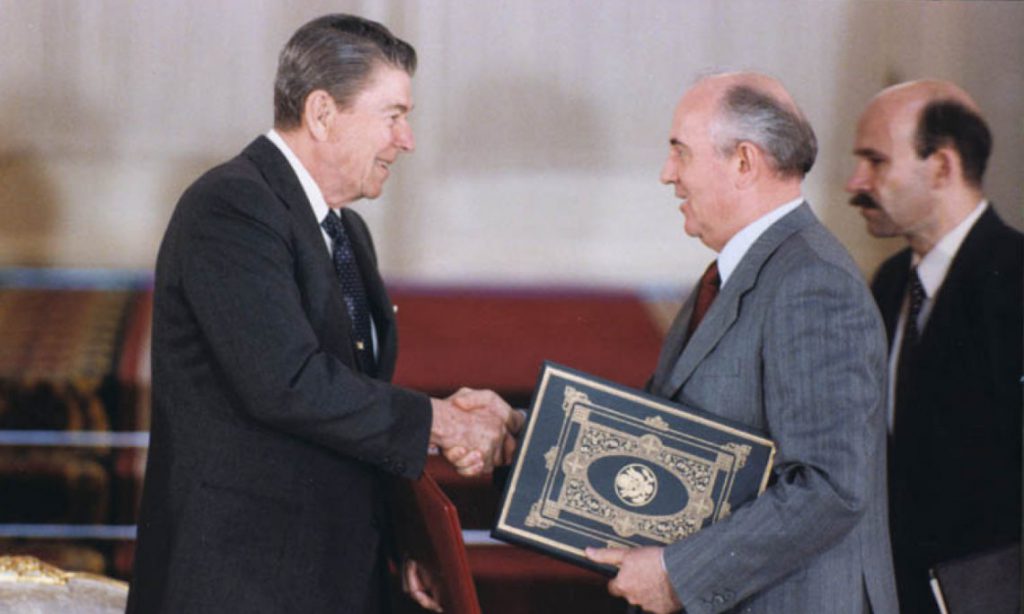
In 1985, US President Ronald Reagan and and Russian President Mikhail Gorbachev declared that “a nuclear war cannot be won and must never be fought.”

2022 BLOG POSTS
What’s the Current Status of U.S. and Russian Nuclear Weapons? How Many Exist and Just How Powerful Are They?
The interest in this question has gone up immensely over the past 50 days, since Russia first invaded Ukraine on February 24, and since Russian President Vladimir Putin announced that his country’s nuclear forces had been placed on “high alert” just a few days later on the 27th.
In 1986, there were 70,000 nuclear weapons on the planet—an entirely terrifying number. Nuclear weapons analysts estimate that the world’s nine nuclear states—China, France, India, Israel, North Korea, Pakistan, Russia, the United Kingdom and the United States—have around 13,000 nuclear warheads in total today (Arms Control Association). That build-down started when U.S. President Ronald Reagan and Mikhail Gorbachev, former president of the Soviet Union, agreed under the INF Treaty on the Soviet Union destroying 889 of its intermediate-range missiles and 957 shorter-range missiles, and the U.S. destroying 677 and 169 respectively (Bulletin of the Atomic Scientists).
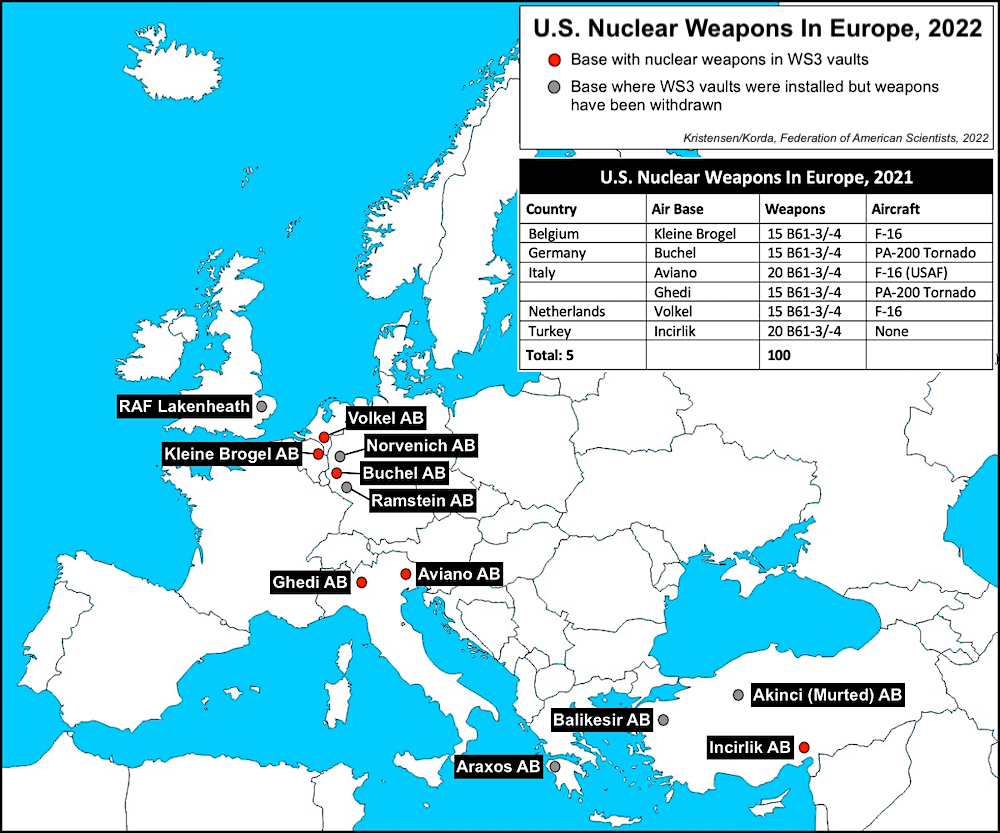
What are the specifics of where the remaining nuclear weapons possessed by the U.S. and Russia are located? How powerful are they, and, most relevantly, what is the readiness levels of these weapons to launch?
HOW MANY WEAPONS IN THE UNITED STATES?
- WHAT ARE THE LIMITS? On April 8, 2010, the United States and Russia signed New START, a legally binding, verifiable agreement that limits each side to 1,550 strategic nuclear warheads deployed on 700 strategic delivery systems (ICBMs, SLBMs and heavy bombers) and limits deployed and nondeployed launchers to 800 (Arms Control Association).
- WHAT ARE THE ACTUAL NUMBERS? At the beginning of 2021, the U.S. maintained an estimated stockpile of approximately 3,800 nuclear warheads for delivery by 800 ballistic missiles and aircraft (Arms Control Association).
Millennials Memeing Nuclear War
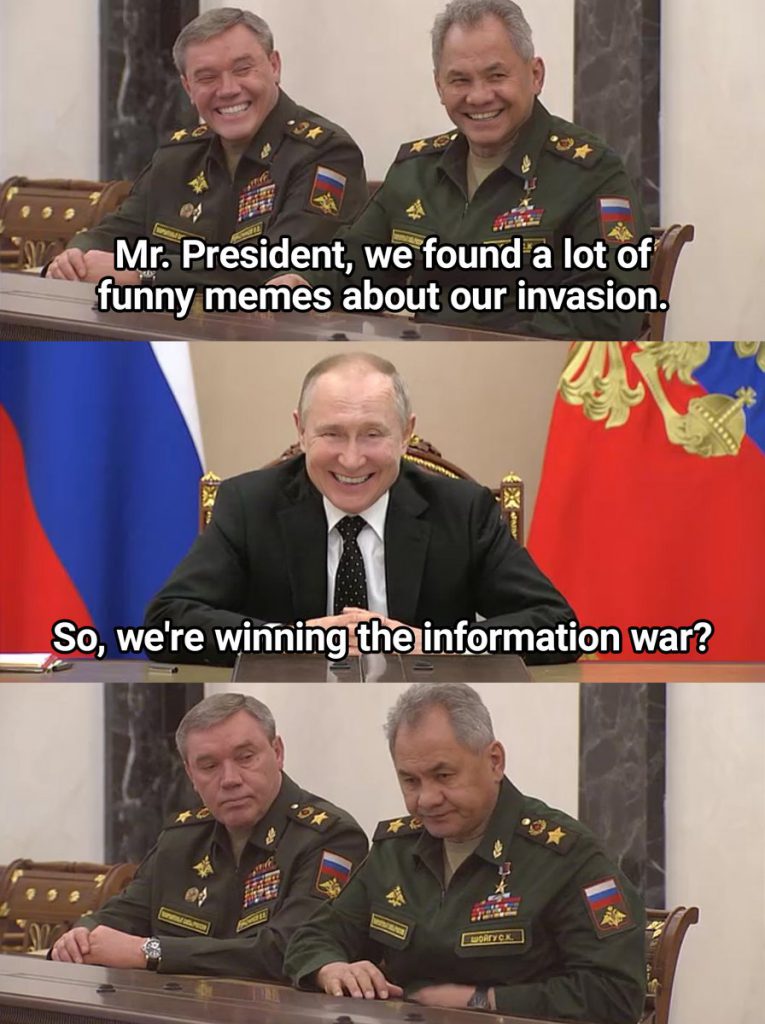 It seems like my generation has never before experienced this much nuclear fear. And what do we do with it? Laugh any way we can, for one. Putin has threatened the use of nuclear weapons by increasing Russia’s nuclear forces alertness levels and stating in a national address, “…For those who may be tempted to interfere in these developments from the outside, No matter who tries to stand in our way or all the more so create threats for our country and our people, they must know that Russia will respond immediately, and the consequences will be such as you have never seen in your entire history.”
Nuclear simulations have come close to capturing the extra-short attention spans of millennials and gen-z, but there’s never been anything like the current real time situation that has ever put this much attention on the reality of the threat of nuclear weapons. And of course the only recourse for a heavy dose of reality is a flood of relevant comedy.
How are we Back Here…? Reflecting on the History of Nuclear Close Calls as Putin’s Threat Reignites Cold War Fears of Nuclear War
“Sadly, we are treading back through old historical patterns that we said that we would never permit to happen again,”
– Fiona Hill, Former Senior Director for Europe and Russia at the United States National Security Council, in an interview with POLITICO, today, February 28, 2022: ‘Yes, He Would’: Fiona Hill on Putin and Nukes

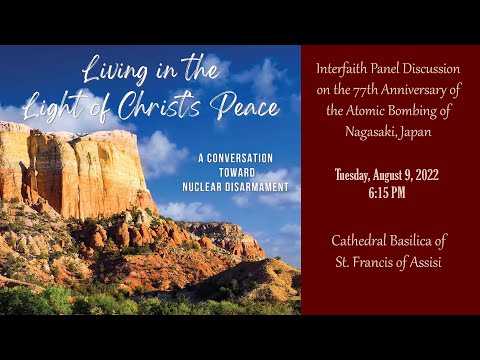
Interfaith Panel Discussion on Nuclear Disarmament - August 9

New Nuclear Media
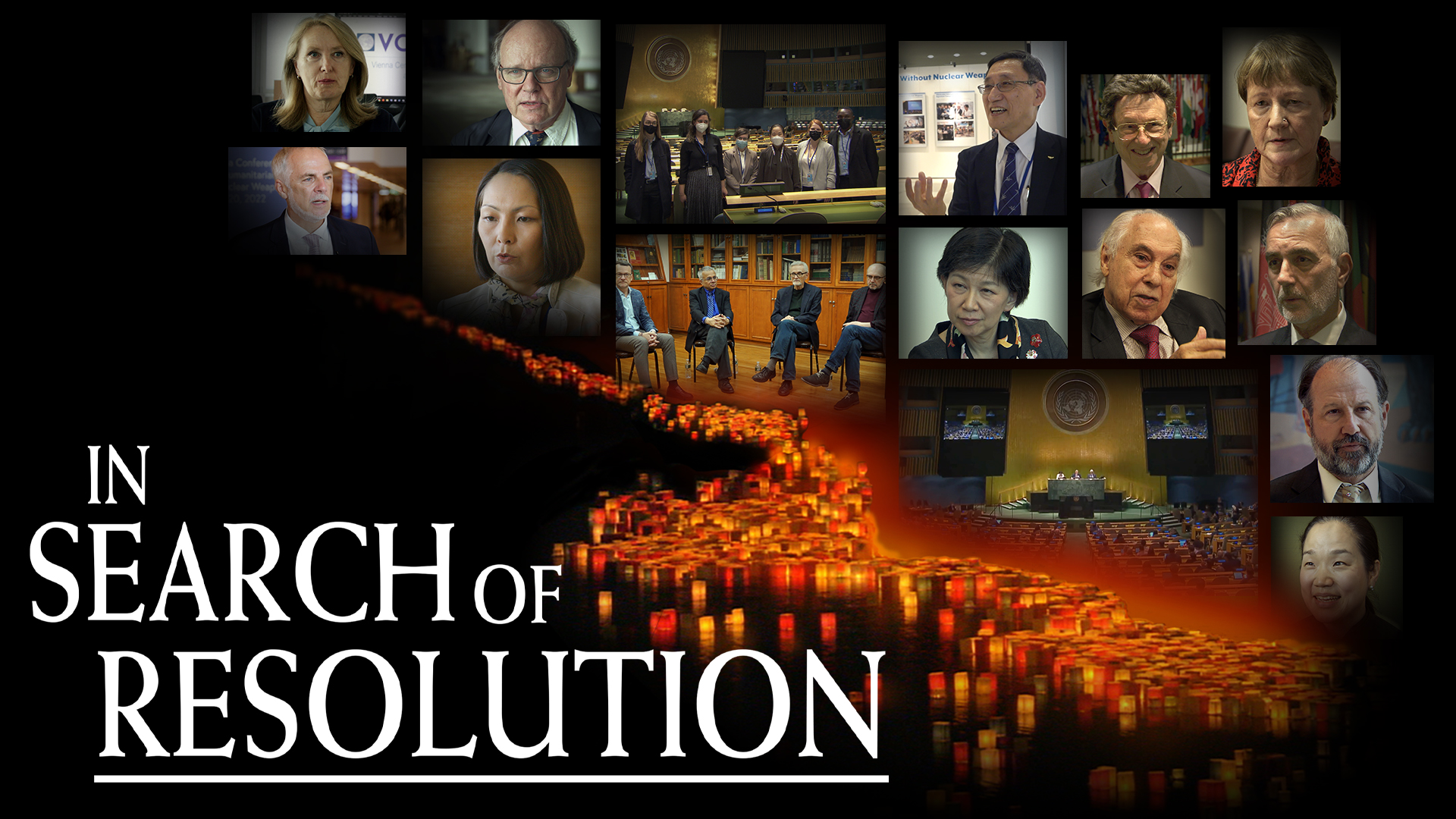
In Search of Resolution: Documentary on Nuclear Dangers
“In Search of Resolution,” examines the current state of international nuclear arms control and is the third film of The Nuclear World Project.
Filmed in 2022 after the Russian invasion of Ukraine, this timely documentary examines the continuing dangers posed by the existence of nuclear weapons.