
Abolishing Nuclear Weapons is a Moral Imperative
View Recording of the March 9th PDA CNM Community Gathering:

PDA CNM welcomed Archbishop John C. Wester, Archbishop of Santa Fe, and our own executive director of Nuclear Watch New Mexico, Jay Coghlan, to speak at their March 9, 2022 monthly gathering: “[Archbishop Wester's] courage in speaking out against the proliferation of nuclear weapons inspires us at PDACNM to follow his example and continue the fight against this peril, especially given the threat of a possible imminent war between two nuclear powers.
Jay Coghlan, executive director of Nuclear Watch New Mexico, has worked successfully against radioactive incineration at the Los Alamos National Lab, and in Clean Air Act, Freedom of Information Act and National Environmental Policy Act lawsuits against the Department of Energy. He prompted a 2006 independent study that concluded plutonium pits last at least a century, refuting the NNSA’s assertion that we “need” new-design nuclear weapons and expanded plutonium pit production.”
Overview

The U.N. Treaty
on the Prohibition of Nuclear Weapons
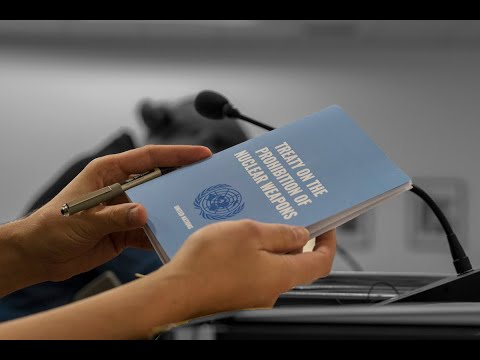
On 7 July 2017 – following a decade of advocacy by ICAN and its partners – an overwhelming majority of the world’s nations adopted a landmark global agreement to ban nuclear weapons, known officially as the Treaty on the Prohibition of Nuclear Weapons. It will enter into legal force once 50 nations have signed and ratified it.
Prior to the treaty’s adoption, nuclear weapons were the only weapons of mass destruction not subject to a comprehensive ban, despite their catastrophic, widespread and persistent humanitarian and environmental consequences. The new agreement fills a significant gap in international law.
It prohibits nations from developing, testing, producing, manufacturing, transferring, possessing, stockpiling, using or threatening to use nuclear weapons, or allowing nuclear weapons to be stationed on their territory. It also prohibits them from assisting, encouraging or inducing anyone to engage in any of these activities.
Why a ban?
A nation that possesses nuclear weapons may join the treaty, so long as it agrees to destroy them in accordance with a legally binding, time-bound plan. Similarly, a nation that hosts another nation’s nuclear weapons on its territory may join, so long as it agrees to remove them by a specified deadline.Nations are obliged to provide assistance to all victims of the use and testing of nuclear weapons and to take measures for the remediation of contaminated environments. The preamble acknowledges the harm suffered as a result of nuclear weapons, including the disproportionate impact on women and girls, and on indigenous peoples around the world.
The treaty was negotiated at the United Nations headquarters in New York in March, June and July 2017, with the participation of more than 135 nations, as well as members of civil society. It opened for signature on 20 September 2017. It is permanent in nature and will be legally binding on those nations that join it.
Nuclear weapons are the most inhumane and indiscriminate weapons ever created. That is why it is time to end them, before they end us.
Nuclear weapons are the most inhumane and indiscriminate weapons ever created. They have catastrophic humanitarian and environmental consequences that span decades and cross generations; they breed fear and mistrust among nations, as some governments can threaten to wipe out entire cities in a heartbeat; the high cost of their production, maintenance and modernisation diverts public funds from health care, education, disaster relief and other vital services. Banning these immoral, inhumane weapons under international law was a critical step along the path to ending them.
With the adoption of the UN Treaty on the Prohibition of Nuclear Weapons (TPNW) on July 7th, 2017, the world's majority took a critical step towards making that nuclear-weapon-free future a reality.
Nuclear Weapons Ban Treaty News & Updates
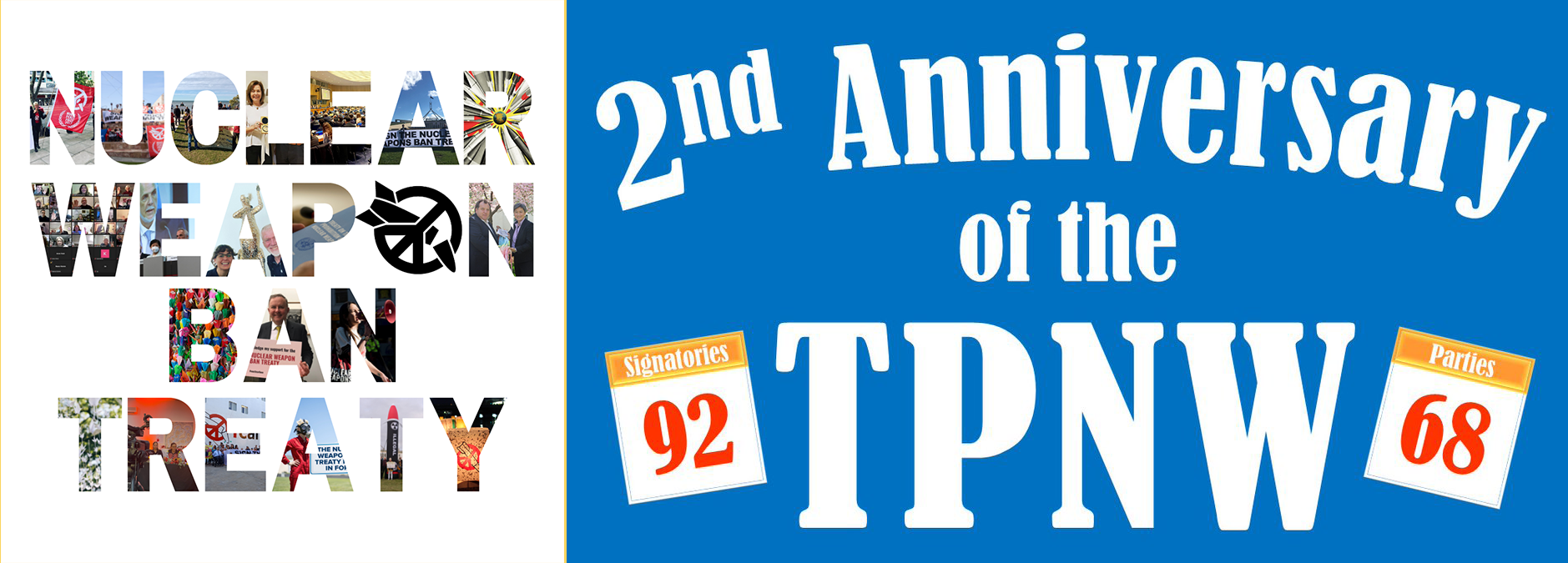
Nuclear Ban Treaty: Updates & 2nd Anniversary Celebrations 🎉

January 22, 2023
International, signatures, TPNW: Djibouti signs TPNW
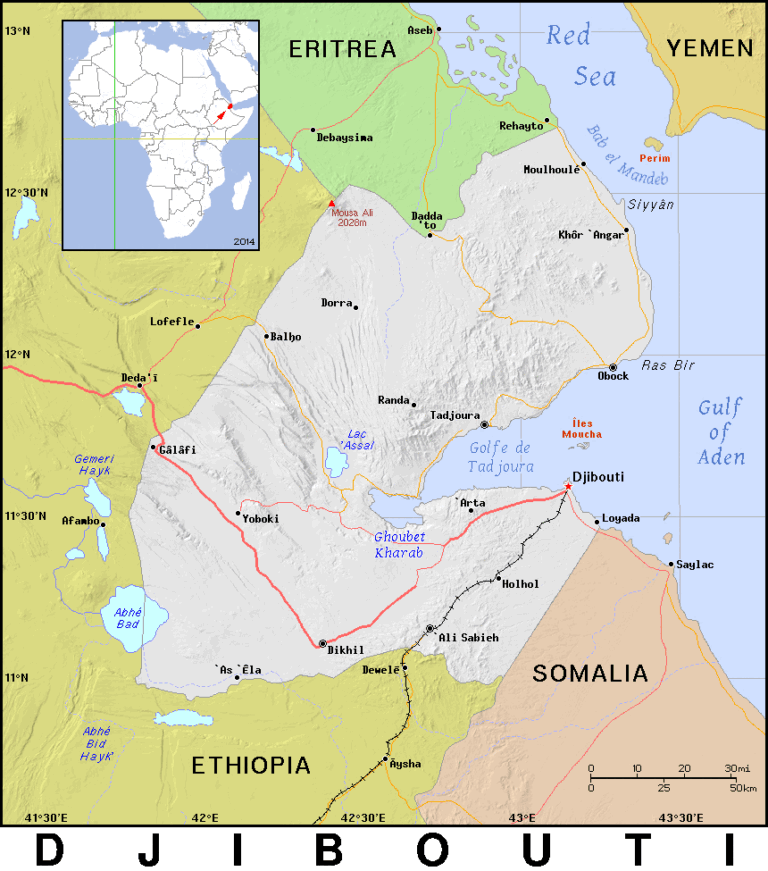
On January 9, 2023, the small island country of Djibouti became the 92nd country to sign the Treaty on the Prohibition of Nuclear Weapons (TPNW). Djibouti voted in favor of the treaty at the treaty negotiations in 2017 and is the latest country to finally sign it. Another 30 countries voted for the treaty and have not yet signed it, while 27 countries have signed the treaty but are still going through the ratification process.
Djibouti is now committed to a swift ratification process, so it can join the 68 countries who have signed and fully ratified the TPNW, putting the treaty’s prohibitions into effect in those countries. Djibouti is also calling on all countries who have not yet done so to sign and ratify the treaty. A UN General Assembly resolution passed in December 2022 called on all states to sign, ratify, or accede to the TPNW “at the earliest possible date”.
The post Djibouti signs TPNW appeared first on NuclearBan.US.
Letter to Biden: Sign the TPNW
Draft letter to President Biden is here:
To sign your organization onto this letter:
Op-Ed/short version of the Biden letter here:
To send this to Biden as an individual, click here
The post Letter to Biden: Sign the TPNW appeared first on NuclearBan.US.
Archbishop Wester Pleas For Nuclear Disarmament At Annual United Nations Evening Prayer Service
The Los Alamos Reporter | September 15, 2022 losalamosreporter.com

The following is a link to the homily delivered Monday by Most Rev. John C. Wester at the Annual United Nations Evening Prayer Service at Holy Family Catholic Church in New York:
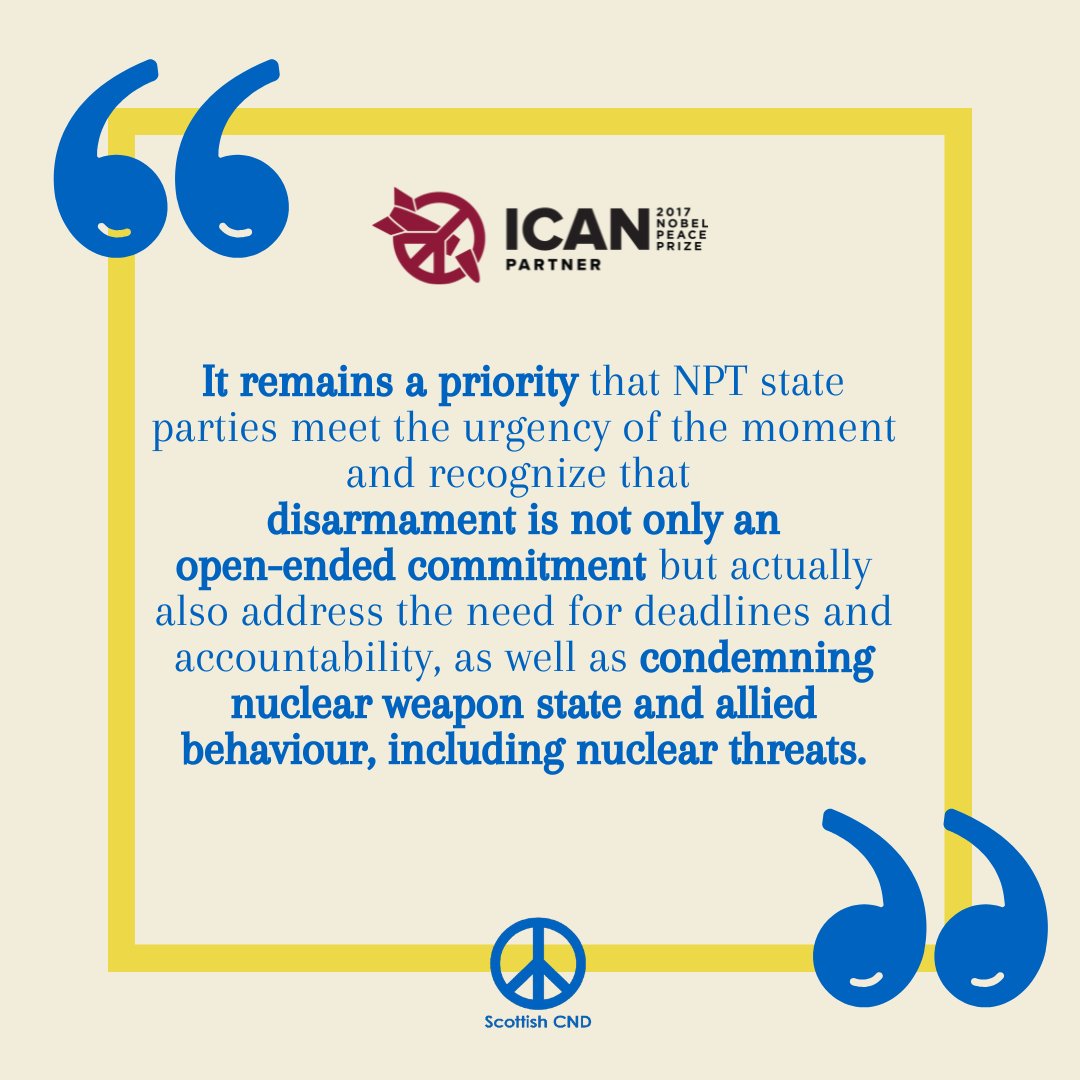
NPT Review Conference fails to address current security environment
“In a year when a nuclear-armed state invaded a non-nuclear armed state, a meeting of nearly all countries in the world failed to condemn Russia’s threats to use nuclear weapons in the context of its invasion, and failed to take any steps that would advance nuclear disarmament.”
After four weeks of meetings, the 10th Nuclear Non-Proliferation Treaty Review Conference has failed. Despite the final draft outcome document being significantly weakened throughout the negotiations, Russia refused to accept the final version and the conference ended without an agreement.
ICAN (The International Campaign to Abolish Nuclear Weapons) | August 27, 2022 icanw.org
Photos from Celebrations of the 1st Anniversary of the Nuclear Ban Treaty – January 22, 2022
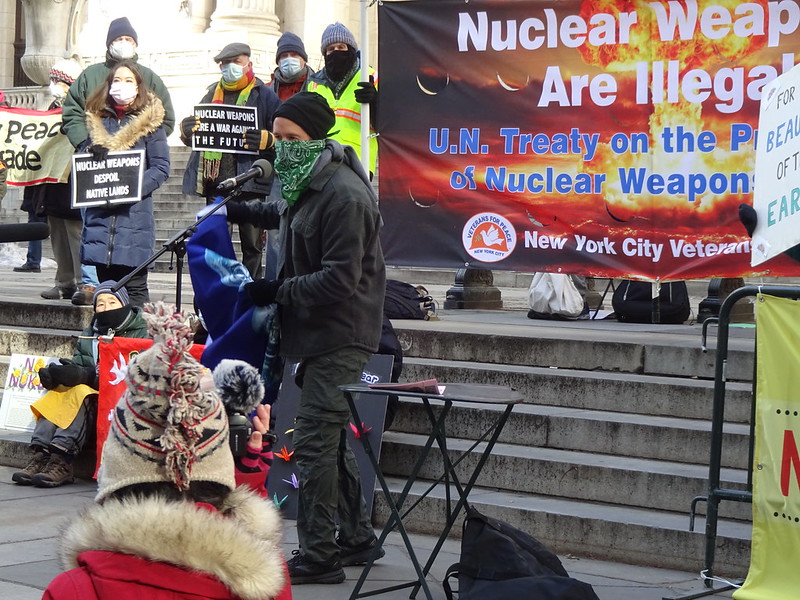
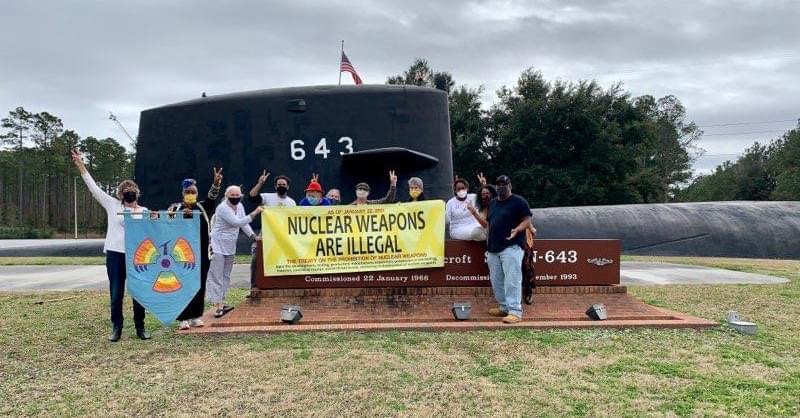
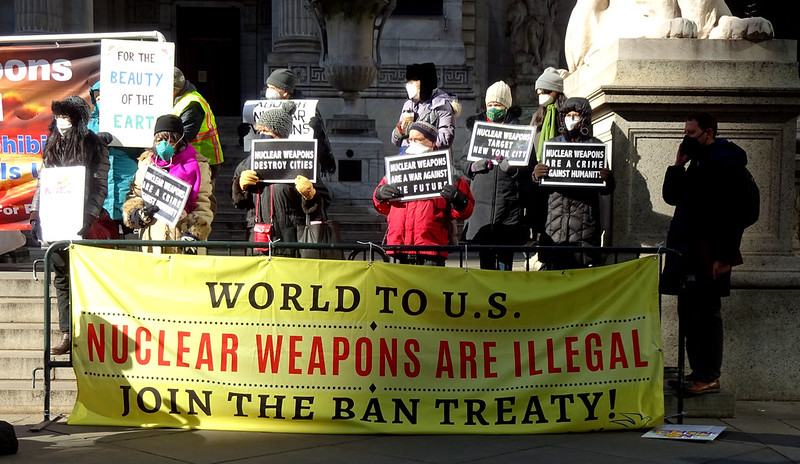
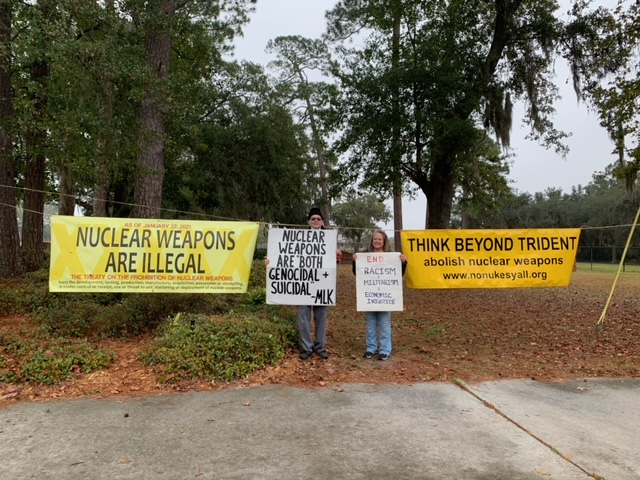
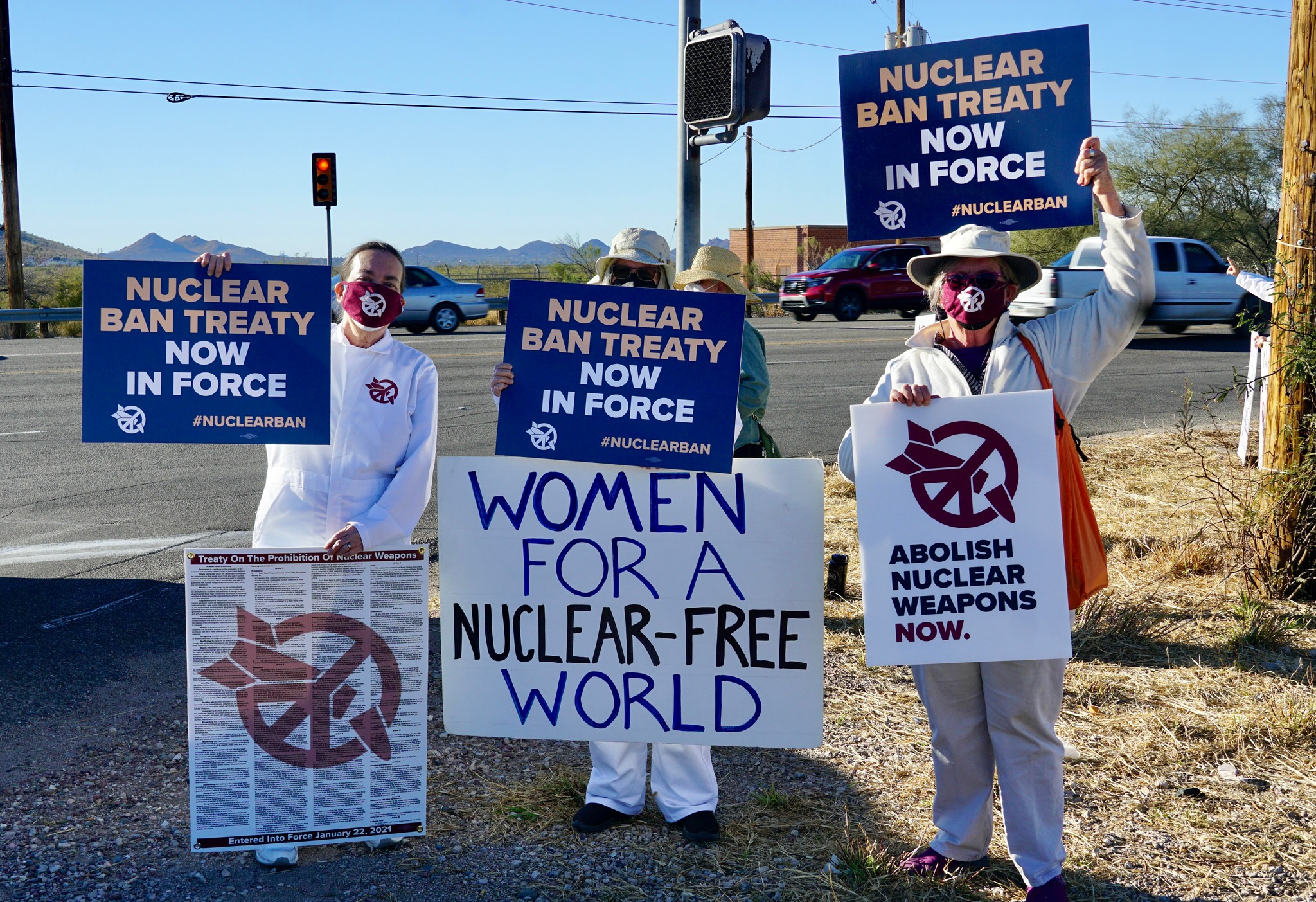
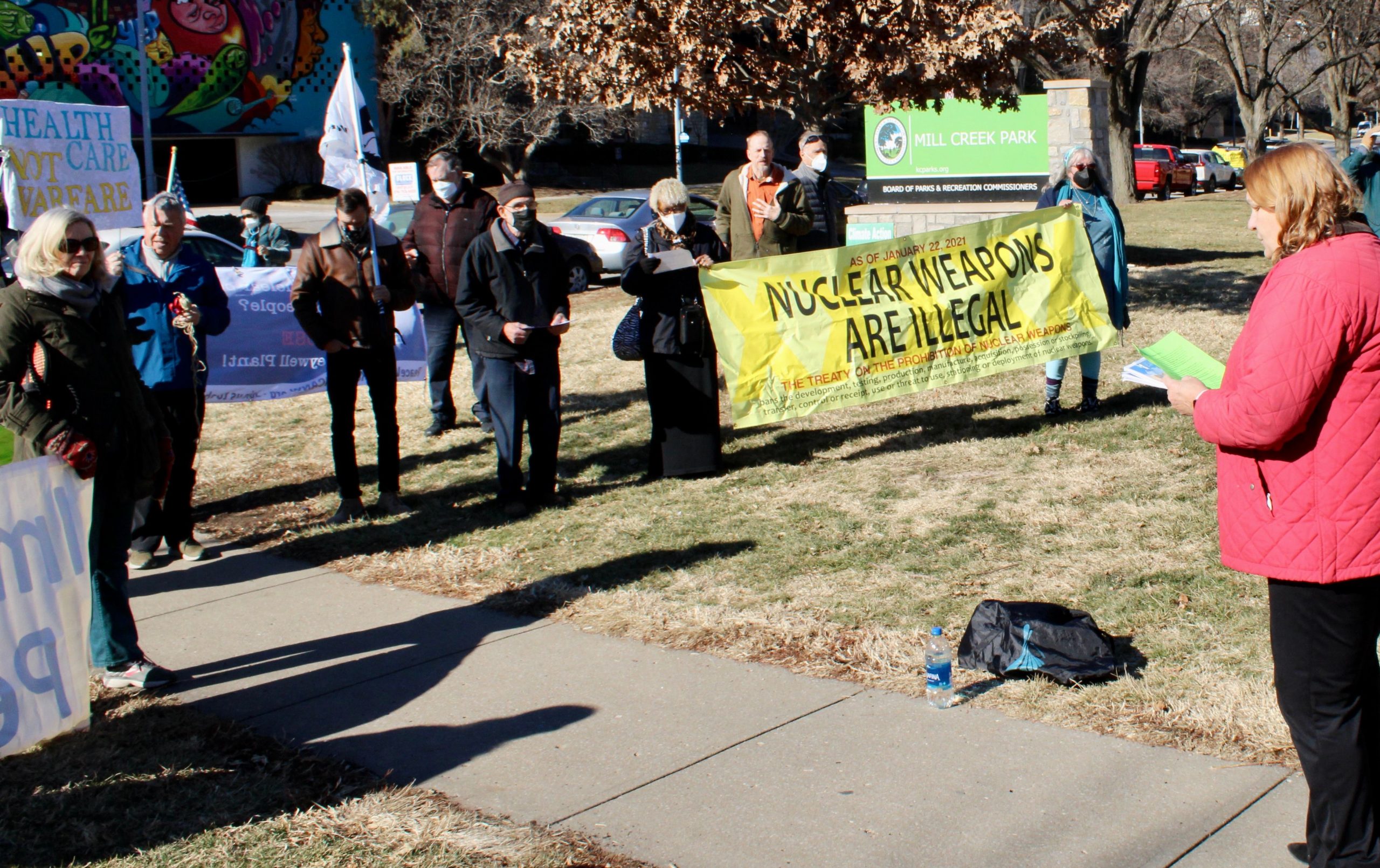
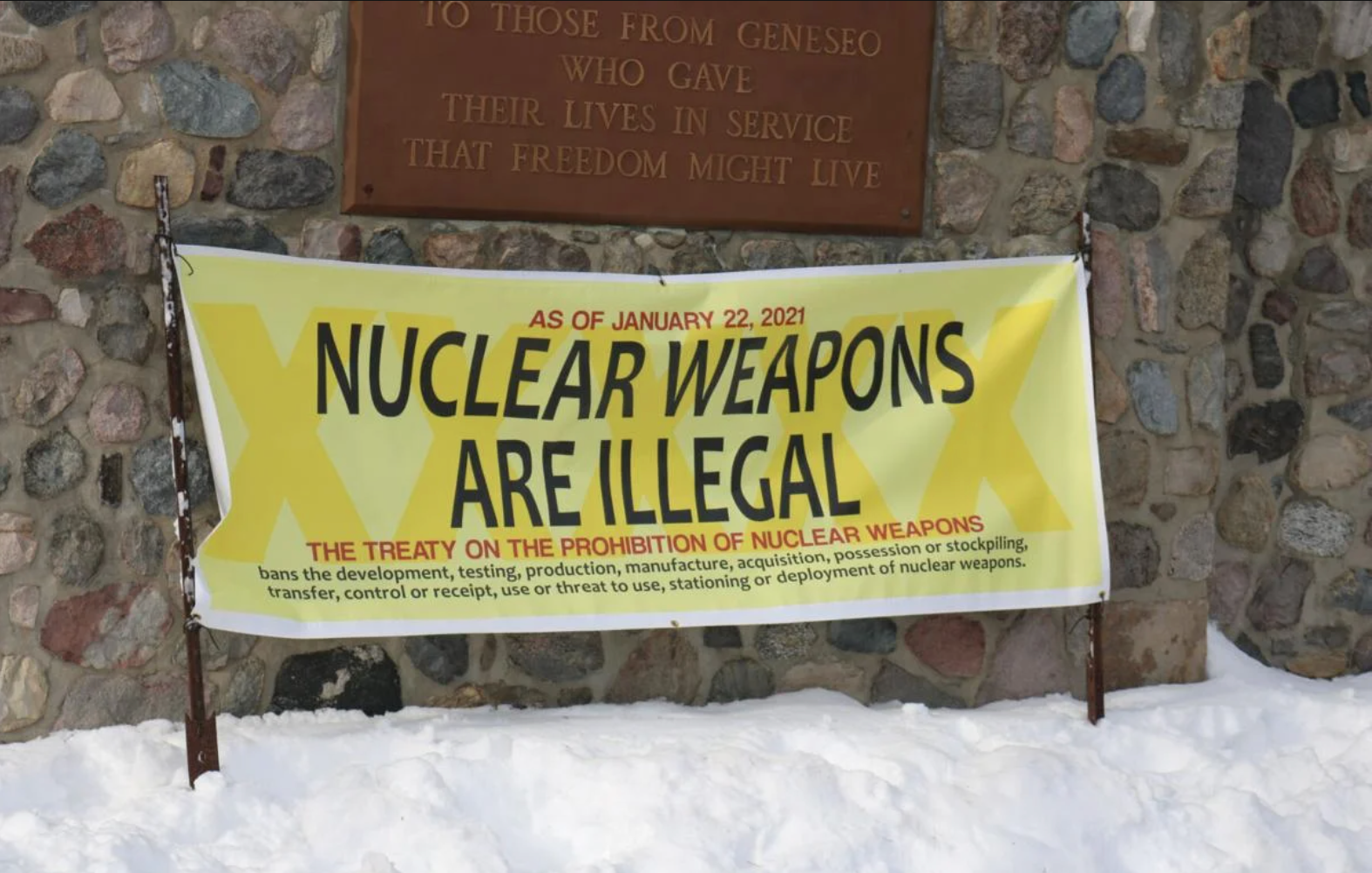
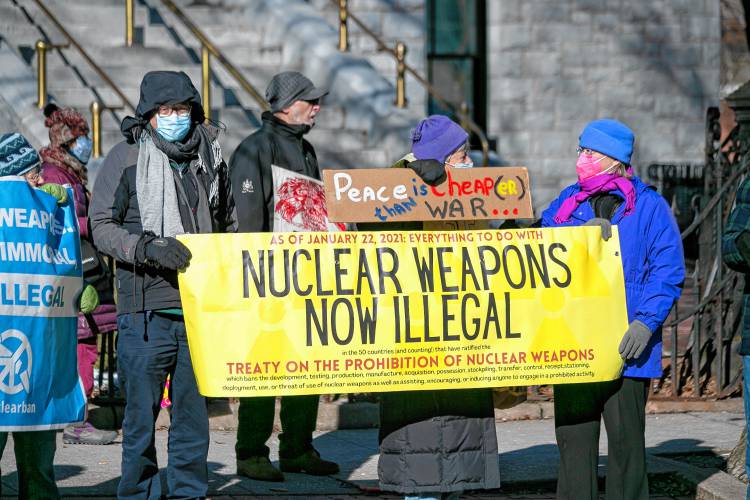
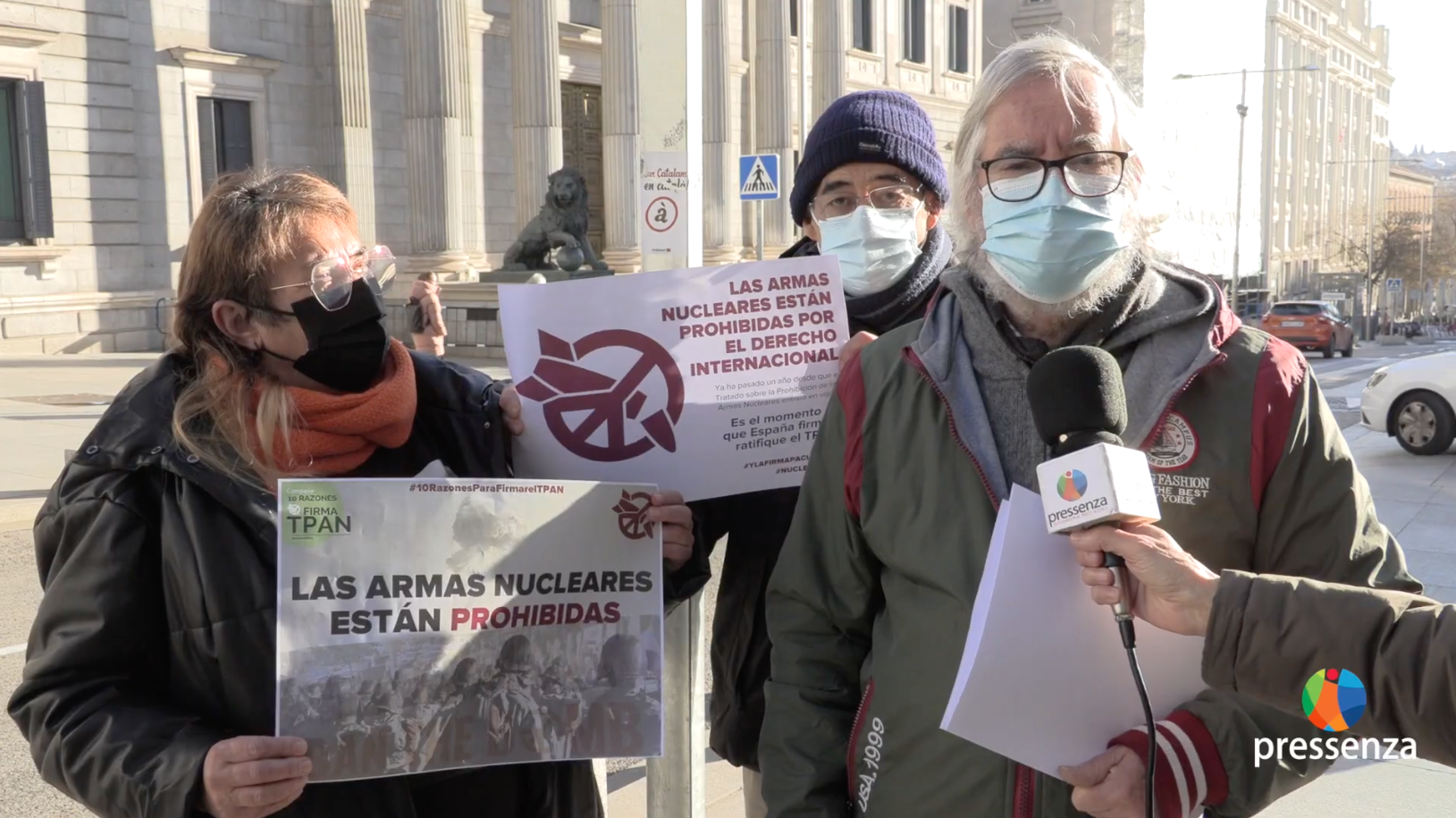
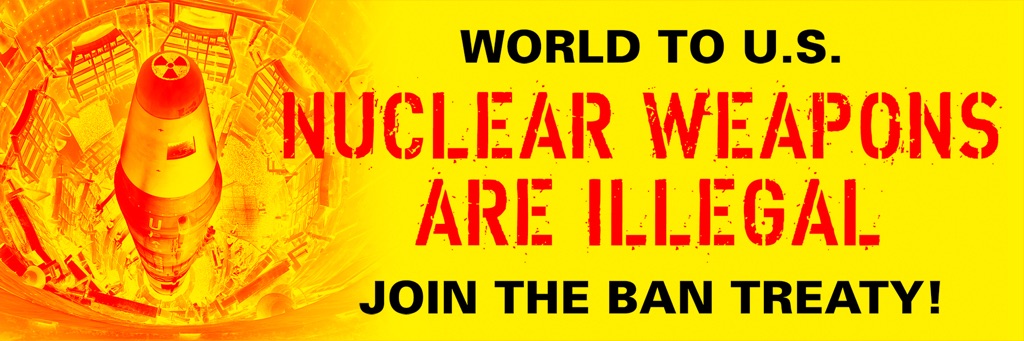
Seeking a world without nuclear weapons
Jan. 22 is the one-year anniversary of the U.N. Treaty on the Abolition of Nuclear Weapons entering into force as international law. Today, 59 countries have ratified the Treaty on the Abolition of Nuclear Weapons, with several more countries on the verge of doing the same. The importance of this cannot be overstated. With more and more countries outlawing everything to do with nuclear weapons, it becomes increasingly harder for the nine countries possessing these weapons to defend their continued existence.
| January 22, 2022
For instance, Germany, Norway, Sweden, Belgium, Netherlands, Italy are all likely to sign onto the Treaty on the Abolition of Nuclear Weapons eventually, with strong support already in their populations and parliaments. The United States currently has nuclear weapons in Belgium, Germany and Italy. After these countries ratify the treaty, the United States will be required to remove its weapons.
All Nuclear Arms Reduction and Non-Proliferation Updates & Recent News
Santa Fe archbishop sees nuclear disarmament as moral imperative
“…If we have nuclear weapons, and if we, heaven forbid, got to the point where we use them on each other, it would be catastrophic. And so I want this to be a conversation, not really a historical one about should we have dropped the bomb in Hiroshima and Nagasaki, but I want to be a conversation on: Should we work toward nuclear disarmament?”
KUNM February 24, 2022 kunm.org
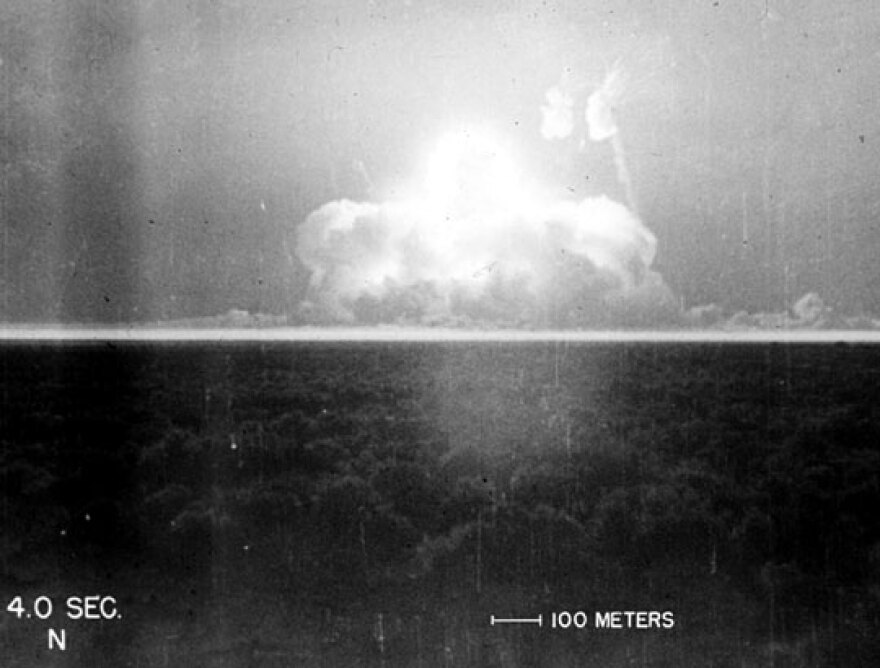
New Mexico is where the atomic age began and the nuclear industry still looms large here, with Sandia National Laboratories and Los Alamos National Laboratory bringing significant economic impact.
But the Archbishop of Santa Fe wants the state, and the world, to forge a new way forward. Rev. John C. Wester issued a pastoral letter last month calling for total nuclear disarmament. Wester spoke to KUNM’s Megan Kamerick about how his perspective changed during a visit to cities in Japan where the United States dropped atomic bombs in World War II. This interview is an excerpt of a longer interview that will air on New Mexico in Focus Friday Feb. 25 at 7 p.m.
JOHN C. WESTER: It was just so horrific, especially with the children. I mean, the whole thing was difficult. But I read that the children saw the bright light, and they ran to the window to see what the light was, you know, and I can only imagine what happened either then or shortly after with the exposure to the radiation.
Germany’s Baerbock pushes for nuclear disarmament
German Foreign Minister Annalena Baerbock called for a “new momentum” to nuclear disarmament as she met with her Swedish counterpart with an eye toward a review of a non-proliferation treaty.
Germany and Sweden have paired up to find ways to get the world’s nuclear powers to move toward committing to disarmament. The foreign ministers met in Stockholm to plot the way forward ahead of next month’s review of the Non-Proliferation Treaty (NPT).
Baerbock has been in talks with her Swedish counterpart Ann Linde and met with the Stockholm Initiative, a group of 16 countries seeking to get rid of nuclear weapons.
“Our joint goal is clear: a world free of atomic weapons,” Baerbock said during a press conference with Linde.
“Our message to the review conference will be clear: Nuclear weapons countries have to push ahead with nuclear disarmament,” read a statement from the initiative, calling for an irreversible, transparent end to nuclear weapons subject to oversight.
Iran nuclear talks resume with upbeat comments despite skepticism
Russia’s envoy to the talks, Mikhail Ulyanov, said on Twitter they “started quite successfully.” Asked he if was optimistic, Iran’s top negotiator, Ali Bagheri Kani, told reporters: “Yes, I am.”
Vienna, Austria EU, Iranian and Russian diplomats sounded upbeat as Iran and world powers held their first talks in five months on Monday to try to save their 2015 nuclear deal, despite Tehran taking a tough stance in public that Western powers said would not work.
“I feel extremely positive about what I have seen today,” Enrique Mora, the EU official chairing the talks, said after the meeting — the seventh round of talks aimed at reviving a deal under which Iran limited its disputed uranium enrichment program in return for relief from US, EU and UN economic sanctions.
“They have accepted that the work done over the first six rounds is a good basis to build our work ahead,” he said. “We will be of course incorporating the new political sensibilities of the new Iranian administration.”
What to expect as Iran nuclear talks resume next week
“New round of talks unlikely to produce breakthrough but will shed light on posture of new Iranian government, analysts say.”
“We’re going to find out how different these [Iranian] hardliners are from previous hardliners; we’re going to find out if they’re going to be a little softer,” said Negar Mortazavi, an Iranian-American journalist and analyst.
“And we’re also going to find out if the Americans have really realised that they missed an opportunity, and that they should change their position to some extent.”
Proponents of the deal, including Mortazavi, have criticised US President Joe Biden for not moving with urgency to restore the agreement in the first months of his administration, when a more moderate Iranian government headed by former President Hassan Rouhani was in charge.
Six rounds of talks in Vienna between April and June failed to forge a path back into the agreement.
“That golden window of opportunity was short, and the Biden team completely missed it,” Mortazavi told Al Jazeera.
To Avoid Armageddon, Don’t Modernize Missiles—Eliminate Them
Land-based nuclear weapons are world-ending accident waiting to happen, and completely superfluous to a reliable deterrent.
“Getting trapped in an argument about the cheapest way to keep ICBMs operational in their silos is ultimately no-win. The history of nuclear weapons in this country tells us that people will spare no expense if they believe that spending the money will really make them and their loved ones safer—we must show them that ICBMs actually do the opposite.“
By Daniel Ellsberg and Norman Solomon thenation.com October 22, 2021
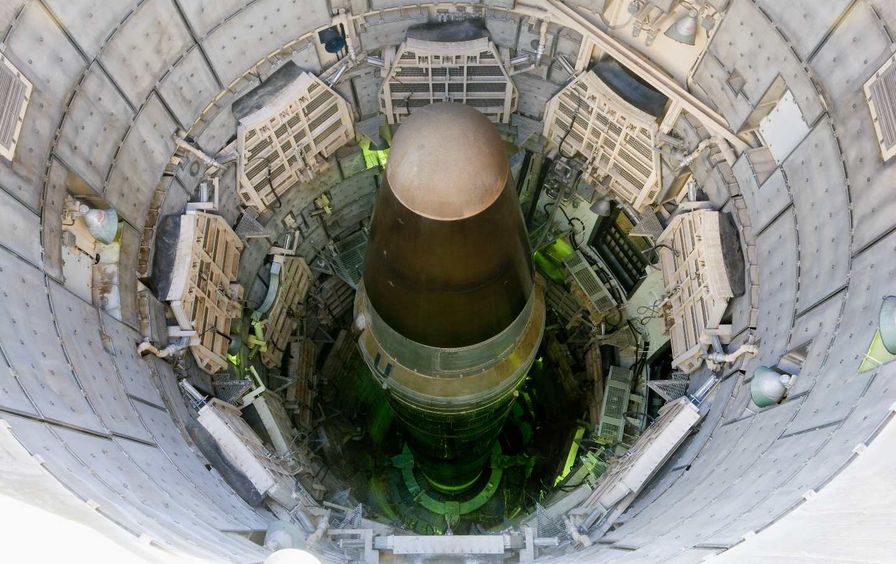
The single best option for reducing the risk of nuclear war is hidden in plain sight. News outlets don’t mention it. Pundits ignore it. Even progressive and peace-oriented members of Congress tiptoe around it. And yet, for many years, experts have been calling for this act of sanity that could save humanity: Shutting down all of the nation’s intercontinental ballistic missiles.
Four hundred ICBMs dot the rural landscapes of Colorado, Montana, Nebraska, North Dakota, and Wyoming. Loaded in silos, these missiles are uniquely—and dangerously—on hair-trigger alert. Unlike the nuclear weapons on submarines or bombers, the land-based missiles are vulnerable to attack and could present the commander in chief with a sudden use-them-or-lose-them choice. “If our sensors indicate that enemy missiles are en route to the United States, the president would have to consider launching ICBMs before the enemy missiles could destroy them. Once they are launched, they cannot be recalled,” former Defense Secretary William Perry warns. “The president would have less than 30 minutes to make that terrible decision.”
The danger that a false alarm on either side—of the sort that has occurred repeatedly on both sides—would lead to a preemptive attack derives almost entirely from the existence on both sides of land-based missile forces, each vulnerable to attack by the other; each, therefore, is kept on a high state of alert, ready to launch within minutes of warning. The easiest and fastest way for the US to reduce that risk—and, indeed, the overall danger of nuclear war—is to dismantle entirely its Minuteman III missile force. Gen.
James E. Cartwright, a former vice chair of the Joint Chiefs of Staff, who had been commander of the Strategic Command, teamed up with former Minuteman launch officer Bruce G. Blair to write in a 2016 op-ed piece: “By scrapping the vulnerable land-based missile force, any need for launching on warning disappears.”
Continue reading
Nuclear talks with US to resume ‘soon,’ Iranian foreign minister says
The US left the JCPOA in 2018, citing continued malign behavior by Iran in the region, and implementing a “maximum pressure” sanctions regime, but Biden seeks a return to the policy.
“Until Iran returns to the negotiating table, the other parties must also make new decisions and show their will and intention for the success of the talks and fulfilling their commitments,” he added.
Biden administration reveals number of nuclear weapons in US stockpile
“The Biden administration’s decision to declassify updated information on the number of nuclear warheads in the U.S. nuclear weapons arsenal is a welcome step that reverses an unwise decision by the Trump administration to classify this information,” the Arms Control Association said in a statement Wednesday.
“It also puts pressure on other nuclear armed states that maintain excessive secrecy about their arsenals.”
By Chandelis Duster and Nicole Gaouette, CNN, benningtonbanner.com October 7, 2021
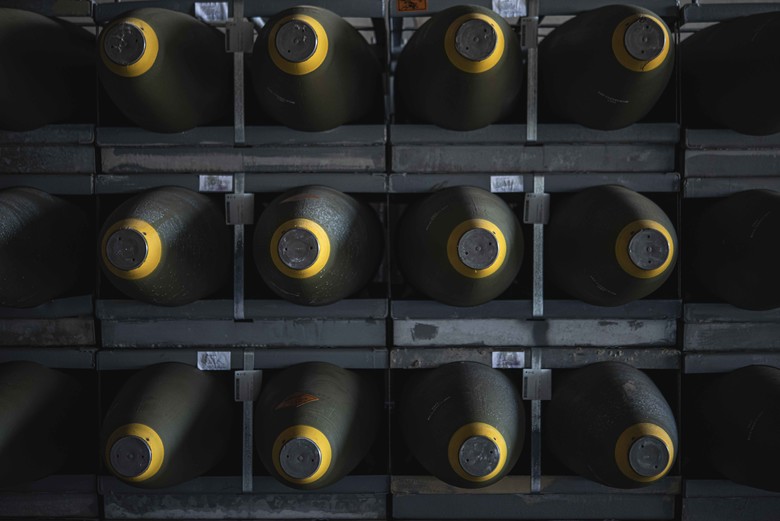
(CNN) In a reversal from the Trump administration, the State Department revealed the number of nuclear weapons in the US stockpile for the first time in four years on Tuesday.
“Increasing the transparency of states’ nuclear stockpiles is important to nonproliferation and disarmament efforts, including commitments under the Nuclear Non-Proliferation Treaty, and efforts to address all types of nuclear weapons, including deployed and non-deployed, and strategic and non-strategic,” the State Department said.
Nuclear-Weapon-Free States Demand Immediate End to Deterrence Policies, Start of Dismantling Atomic Arsenals, as First Committee Continues General Debate
Calling for swift remedies to mend a fractured non-proliferation landscape, nuclear-weapon-free States demanded an immediate end to deterrence policies and the start of dismantling atomic arsenals, as the First Committee (Disarmament and International Security) moved into the third day of its general debate.
UNITED NATIONS MEETINGS COVERAGE GENERAL ASSEMBLY FIRST COMMITTEE SEVENTY-SIXTH SESSION, 4TH MEETING (PM)
As thousands of atomic bombs located around the world pose grave risks to humanity, delegates implored nuclear-weapon States to steer the planet onto a path of peace. Some suggested such ways to do so, with delegates agreeing that dismantling nuclear arsenals must start now, in line with the Treaty on the Non-Proliferation of Nuclear Weapons and under safeguards established by the International Atomic Energy Agency (IAEA). Many urged all nations with atomic arsenals to sign, ratify and fully implement existing conventions, including the Treaty on the Prohibition of Nuclear Weapons, which entered into force in January, and some decried the quarter of a century delay in entering into force the Comprehensive Nuclear-Test-Ban Treaty. To rectify this, many called for nuclear-weapon States to sign and ratify it so that atomic bomb testing can become part of the past.
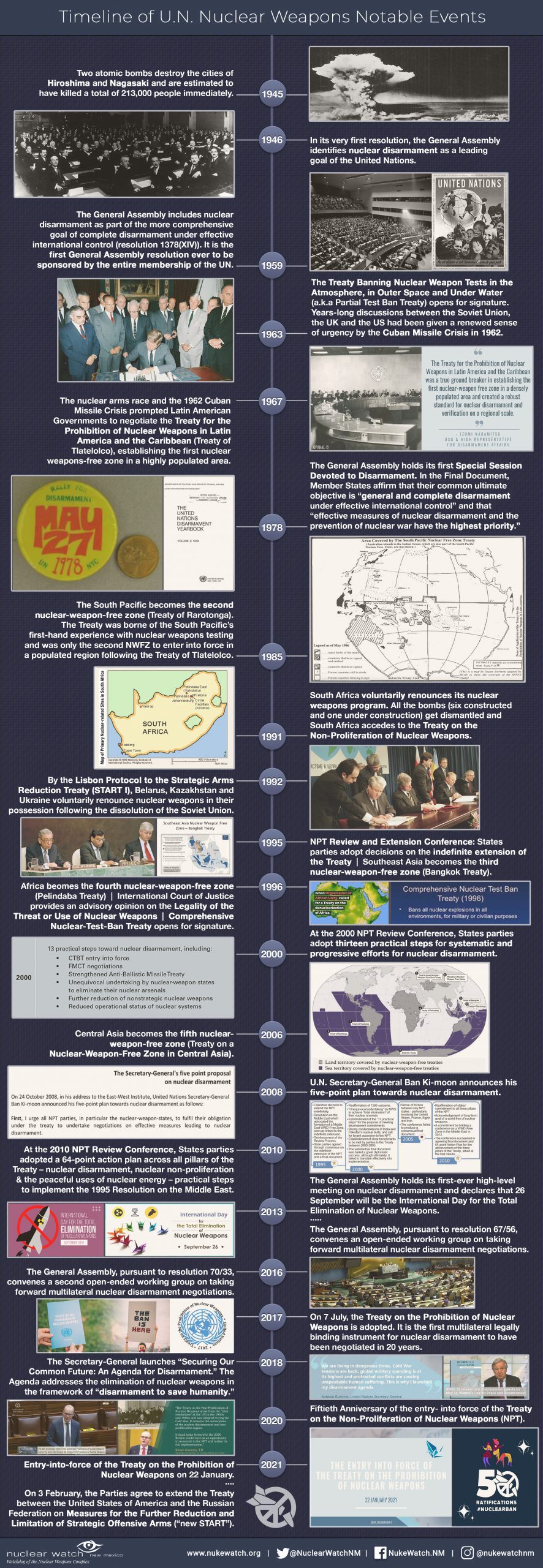
International Day for the Total Elimination of Nuclear Weapons 2021
Today, Sunday, September 26, 2021, marks the United Nations International Day for the Total Elimination of Nuclear Weapons. The United Nations has been working toward achieving global nuclear disarmament since the organization’s inception; it was the subject of the General Assembly’s first resolution in 1946, with a mandate to make specific proposals for the elimination of atomic weapons and all other major weapons adaptable to mass destruction. The International Day for the Total Elimination of Nuclear Weapons has been observed annually since 2014, serving as a tool to enhance public awareness and education about the threat posed to humanity by nuclear weapons and the necessity for their total elimination. In 2013, the year the International Day for the Total Elimination of Nuclear Weapons was introduced, the President of the General Assembly noted that a “renewed international focus on the catastrophic consequences of nuclear weapons has led to a reinvigoration of international nuclear disarmament efforts.”
U.S. still prepared to engage with North Korea after missile test
“North Korea’s cruise missiles usually generate less interest than ballistic missiles because they are not explicitly banned under United Nations Security Council resolutions. However, analysts said calling it “strategic” could mean it was a nuclear-capable system.”
Reuters reuters.com September 13, 2021
ABOARD AIR FORCE ONE, Sept 13 (Reuters) – The United States remains prepared to engage with North Korea, a White House spokeswoman said on Monday, despite Pyongyang’s announcement that it had tested a new long-range cruise missile over the weekend.
“Our position has not changed when it comes to North Korea, we remain prepared to engage,” principal deputy press secretary Karine Jean-Pierre told reporters.
North Korea’s state media announced on Monday what it said were successful tests of a new long-range cruise missile that analysts said could be the country’s first such weapon with a nuclear capability. read more
U.S. officials, speaking on the condition of anonymity, said initial indications were that North Korea had carried out such a test.