

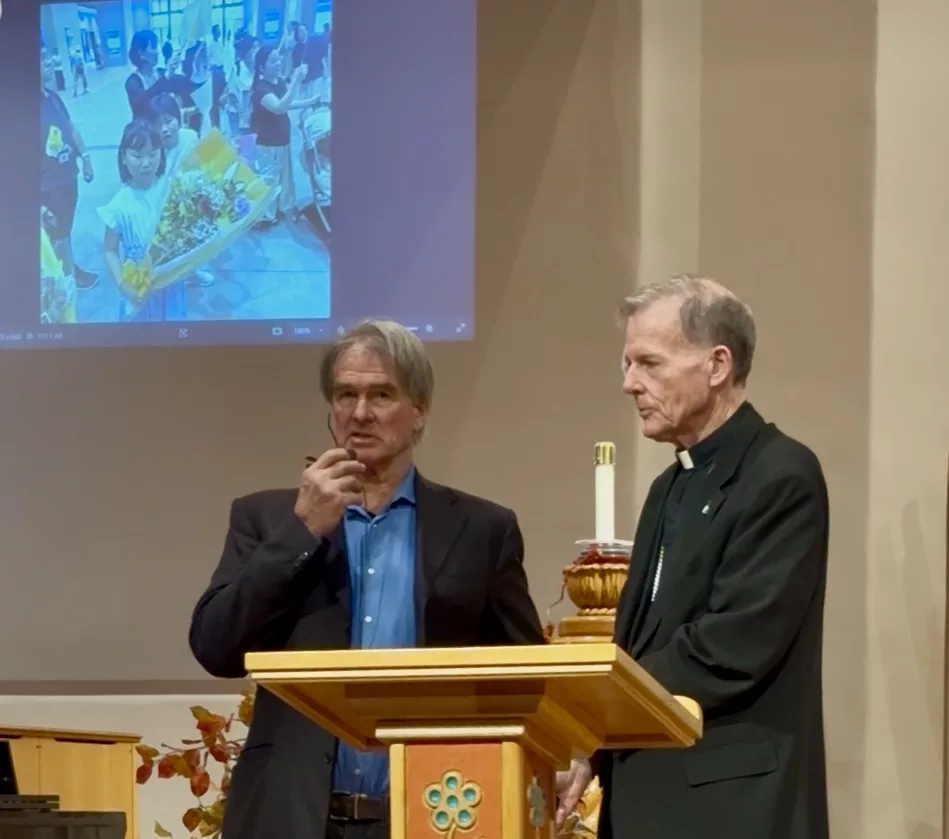
VIEW THE RECORDING: Santa Fe Ecumenical Conversations Towards Nuclear Disarmament at Santa Maria de la Paz Catholic Community – Monday, October 27
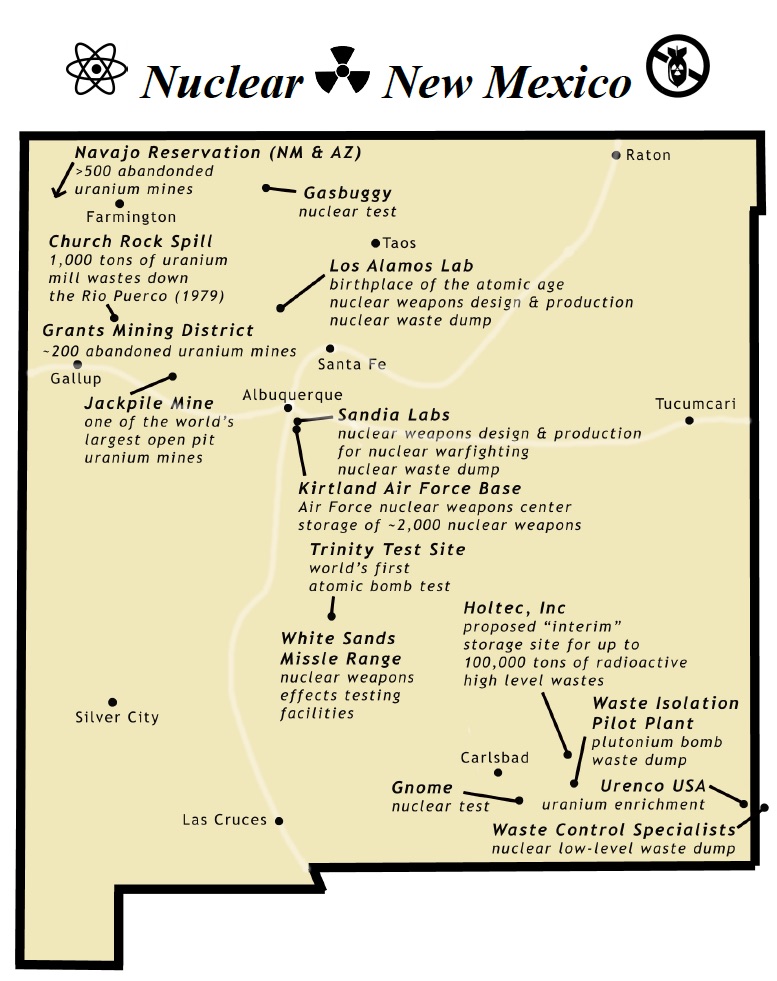
Archbishop John C. Wester and NukeWatch New Mexico presented a special evening at Santa Maria de la Paz Catholic Community on Monday, October 27, from 6:00 to 8:00 p.m. MT. Following a presentation from NukeWatch executive director Jay Coghlan on U.S. nuclear weapons “modernization,” the Archbishop shared reflections from his pastoral letter, Living in the Light of Christ’s Peace, and speak about the importance of dialogue and hope in working toward nuclear disarmament.
View the recording at https://www.youtube.com/watch?v=9LFmQzMoJds&t=1s
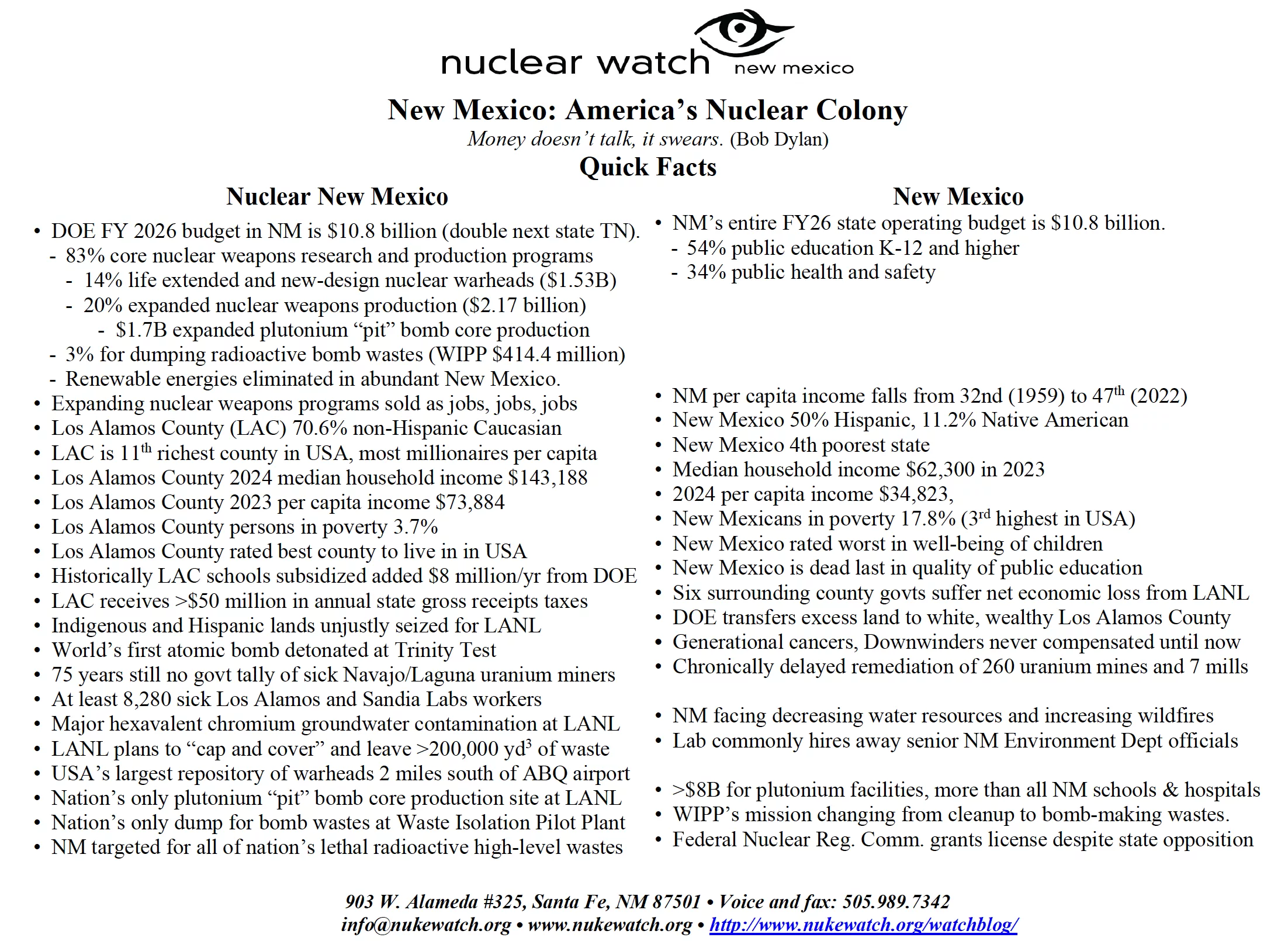
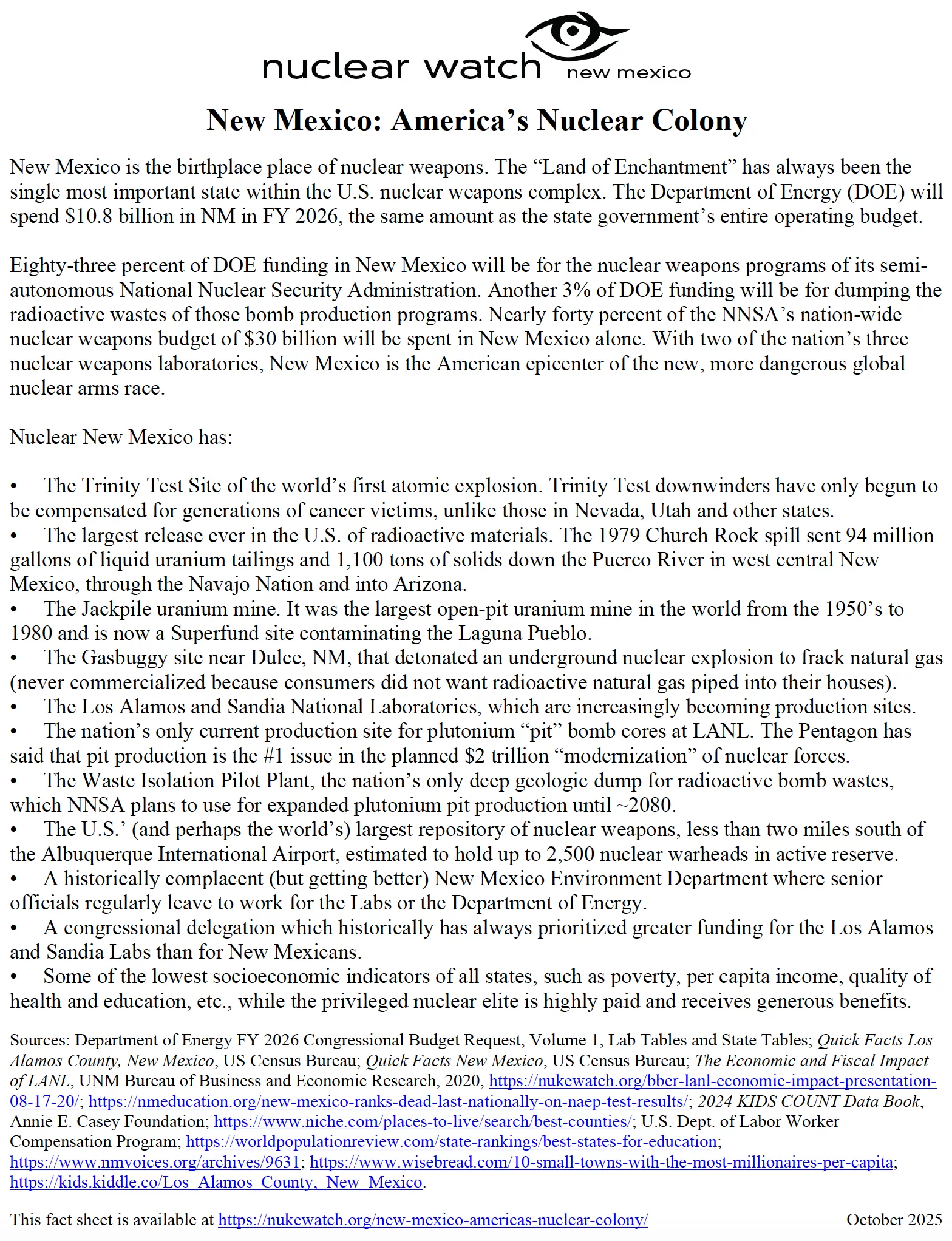
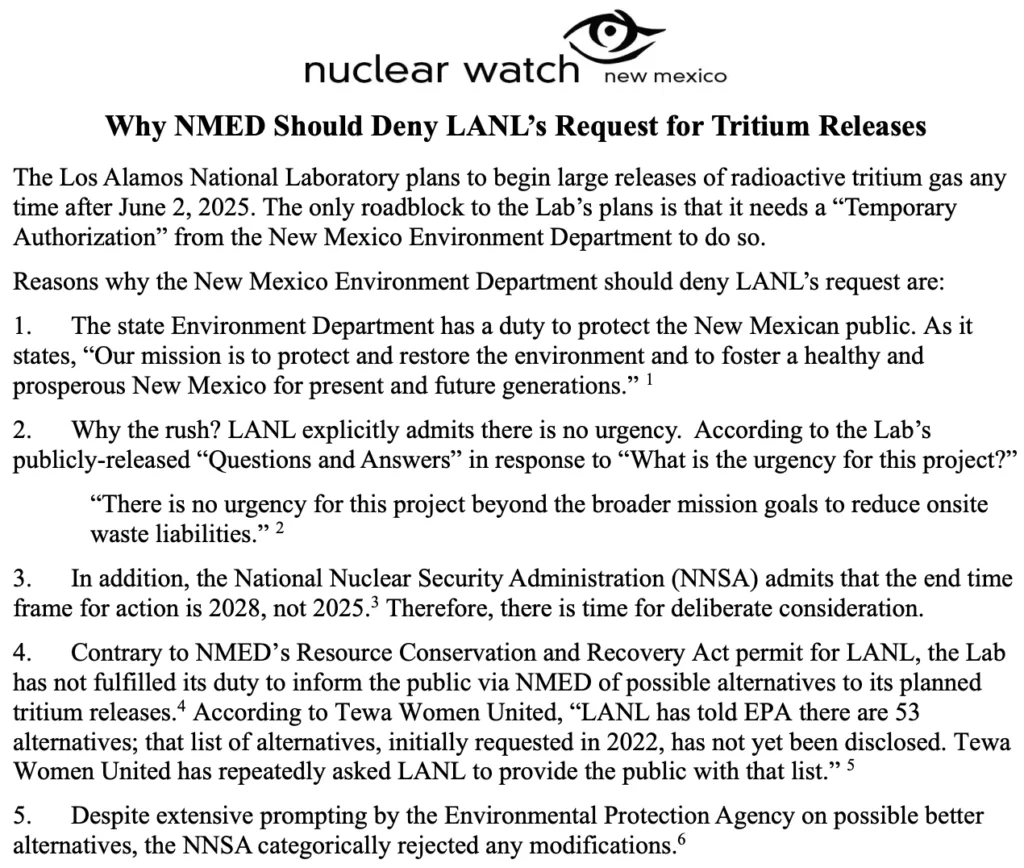


The Need for Independent Pit Aging Studies
June 16, 2022 | FACT SHEETS
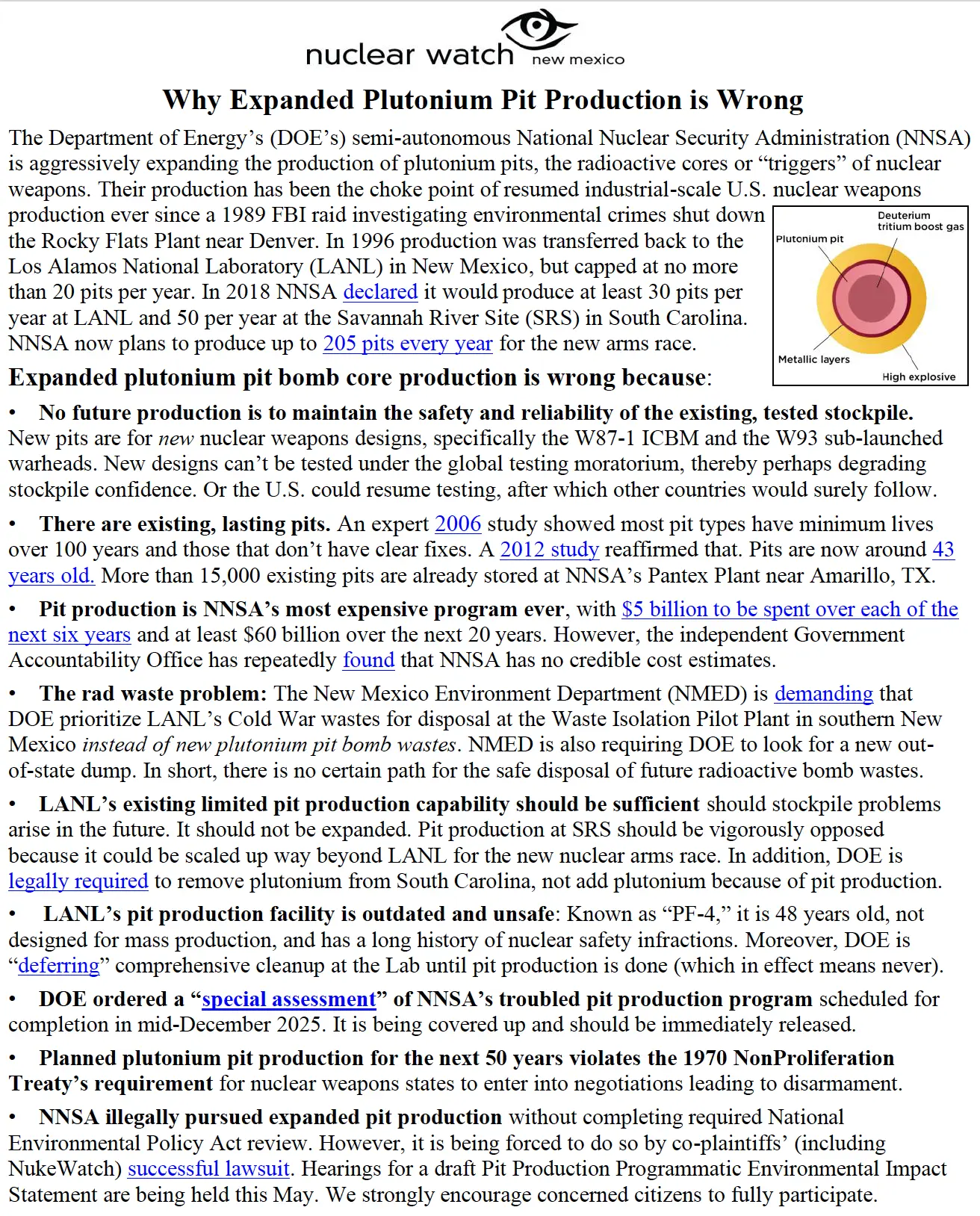
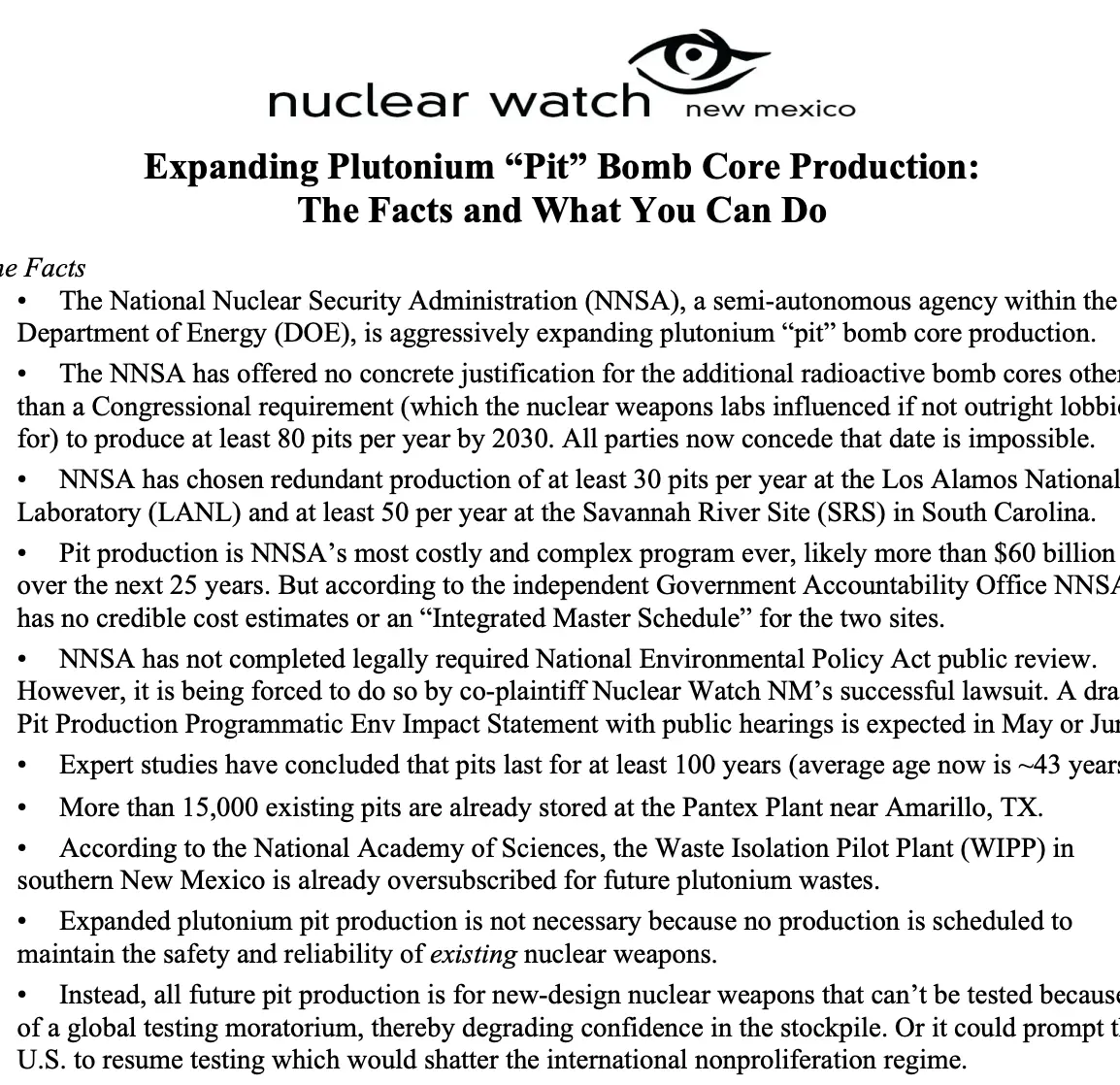
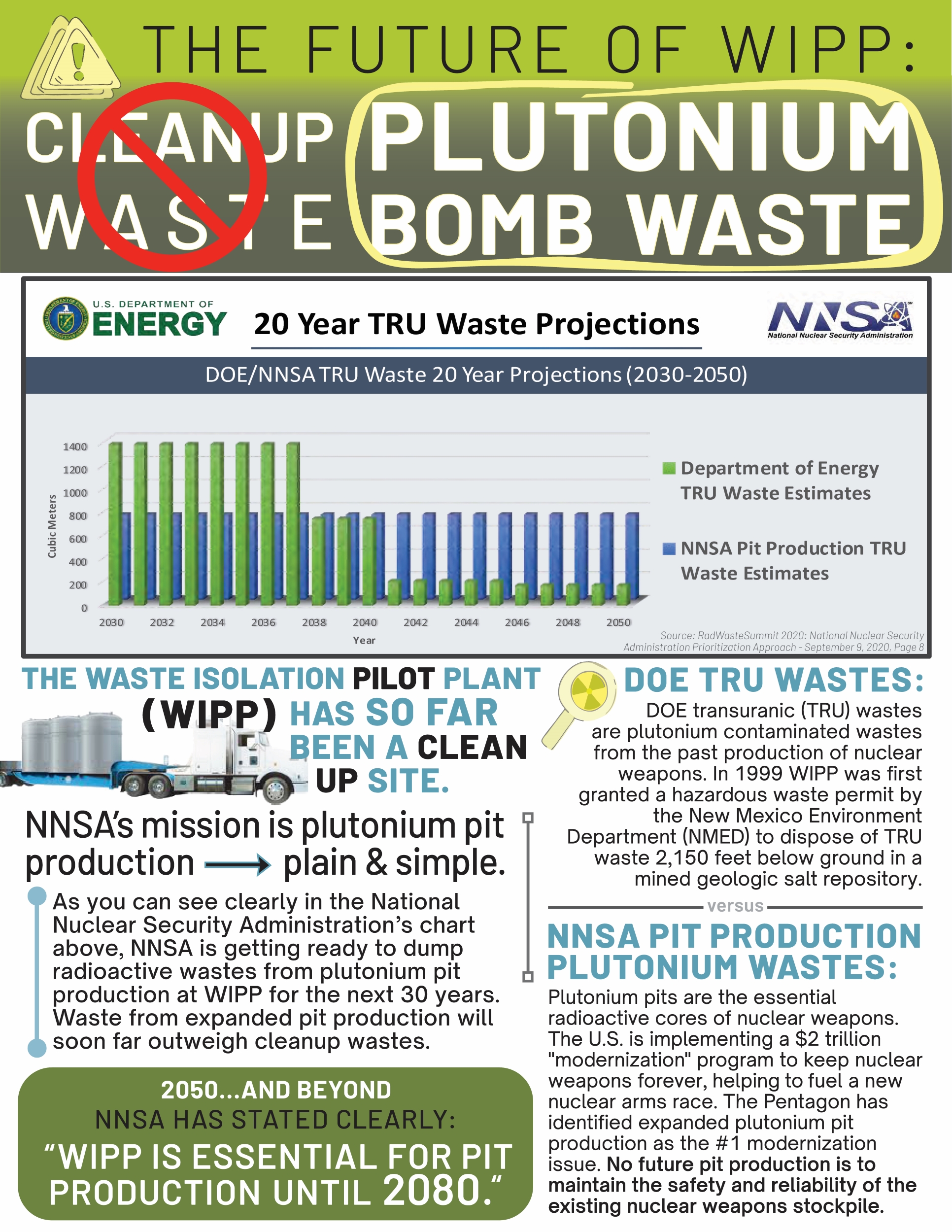
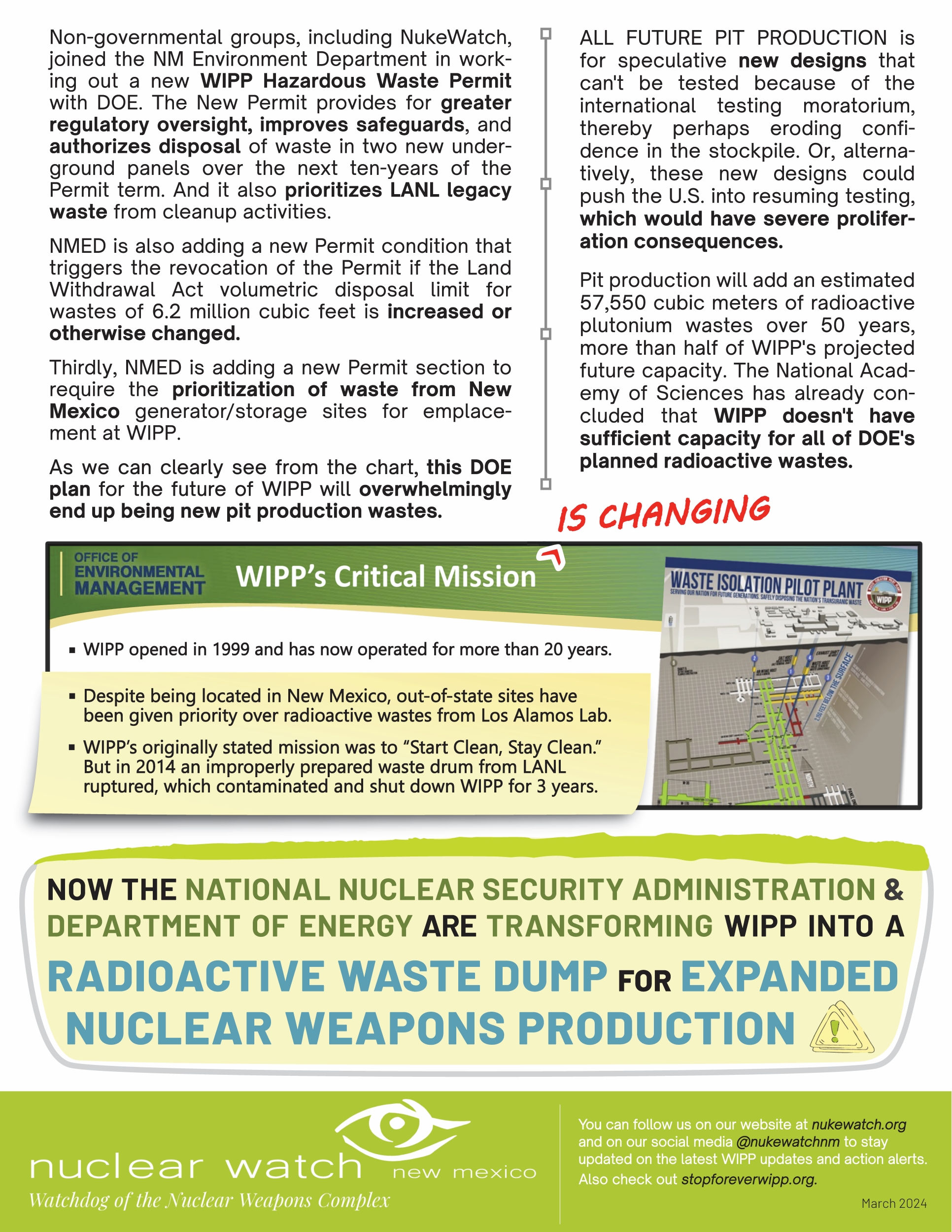
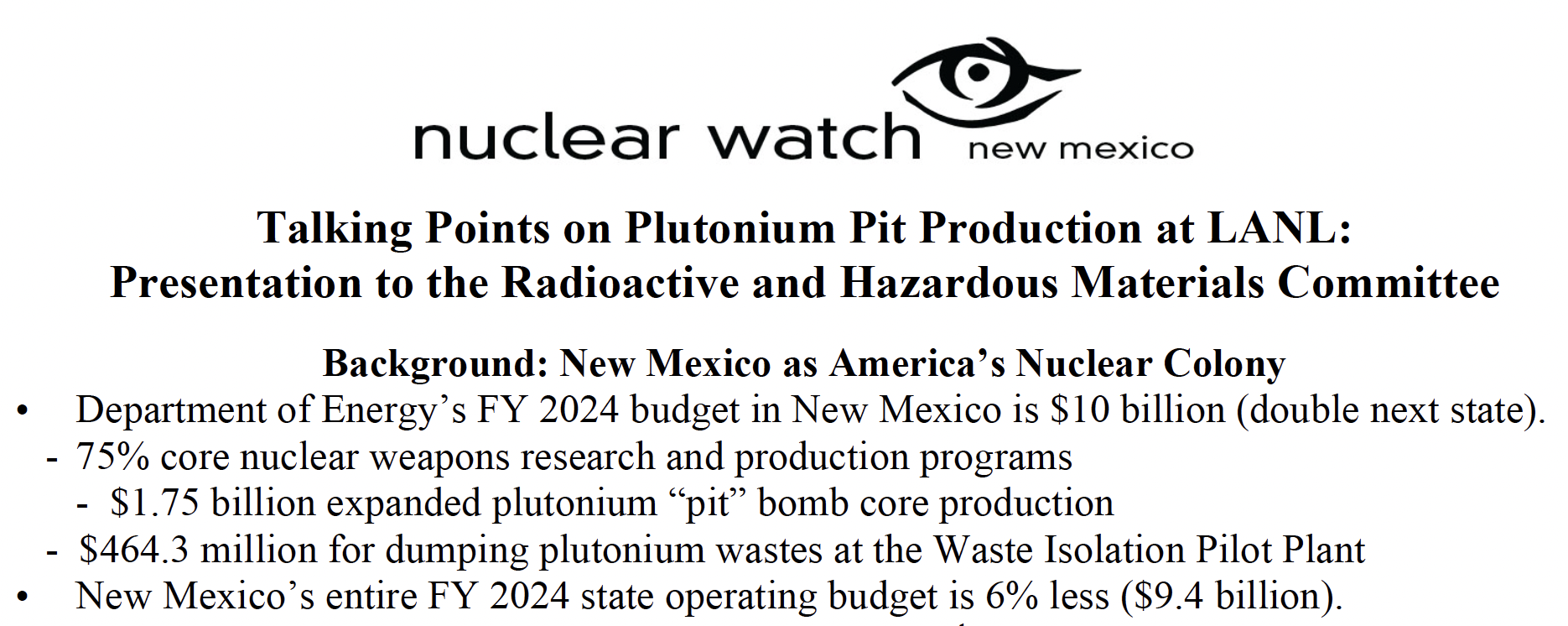
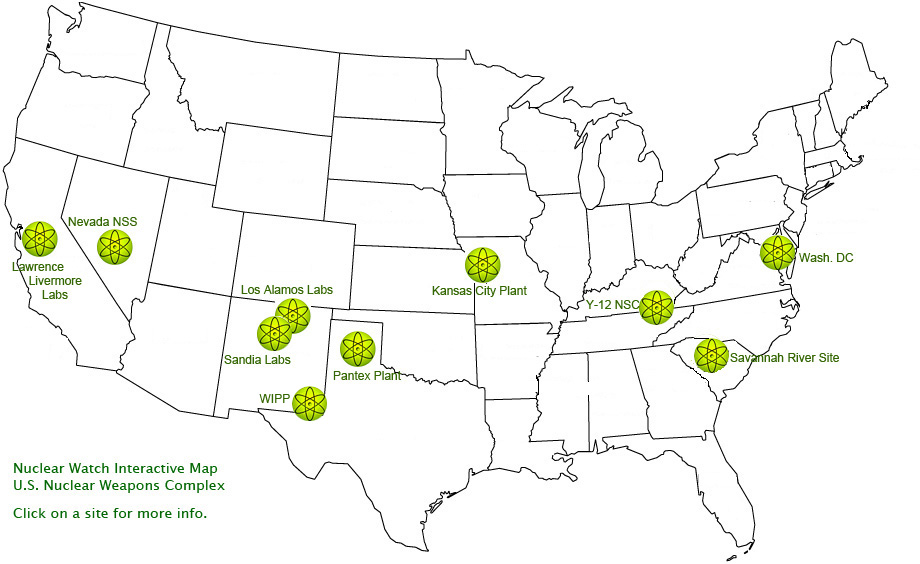
Summary: The United States is aggressively expanding the production of plutonium “pit” bomb cores to at least 80 pits per year, which the Pentagon has called the number one issue in its $1.7 trillion plan to “modernize” nuclear forces. The average age of plutonium pits is around 40 years. Los Alamos Lab Director Thom Mason has said that “The best way to deal with this dilemma [of uncertainty about aging effects] is to take it off the table. We do that by making new pits, immediately.” Thus, he justifies spending tens of billions of dollars, creating additional occupational and public risks, generating more radioactive wastes with uncertain disposal pathways, fundamentally transforming the Lab into a nuclear weapons production site and fueling the increasingly dangerous new nuclear arms race.
But does independent review of pit aging data support this need to immediately produce new pits? The answer is no given that independent experts concluded in 2006 that pits last at least a century with no determined end date. Further, no future pit production is scheduled to maintain the safety and reliability of the existing nuclear weapons stockpile – it is all for speculative new designs which could raise reliability issues or even prompt the U.S. to resume testing.
Why Funding for the SLCM Nuclear Warhead Should Be Deleted
June 6, 2022 | FACT SHEETS
Introduction: In 1991, in response to the ongoing collapse of the Soviet Union, President George H. Bush ordered the withdrawal of all nuclear-armed sea-launched cruise missiles (SLCMs) from U.S. surface ships and submarines. In 2018 President Trump’s Nuclear Posture Review proposed to redeploy SLCMs on Virginia-class attack submarines, saying they would provide the United States with “a needed non-strategic regional presence” that would address “the increasing need for flexible and low-yield options.”1 Congress subsequently approved $15.2 million in FY 2022 funding for the Navy’s new cruise missile and nuclear warhead.
In March 2022 President Biden transmitted a new classified Nuclear Posture Review to Congress that reportedly canceled the Sea-Launched Cruise Missile. In parallel, his proposed FY 2023 budget for the National Nuclear Security Administration (NNSA) has no funding for the SLCM nuclear warhead. This has prompted some congressional pushback, with one suggested compromise being continuing modest research funding. But as a Congressional Research Service analysis put it: “The Navy indicated that the program was “cost prohibitive and the acquisition schedule would have delivered capability late to need.”