
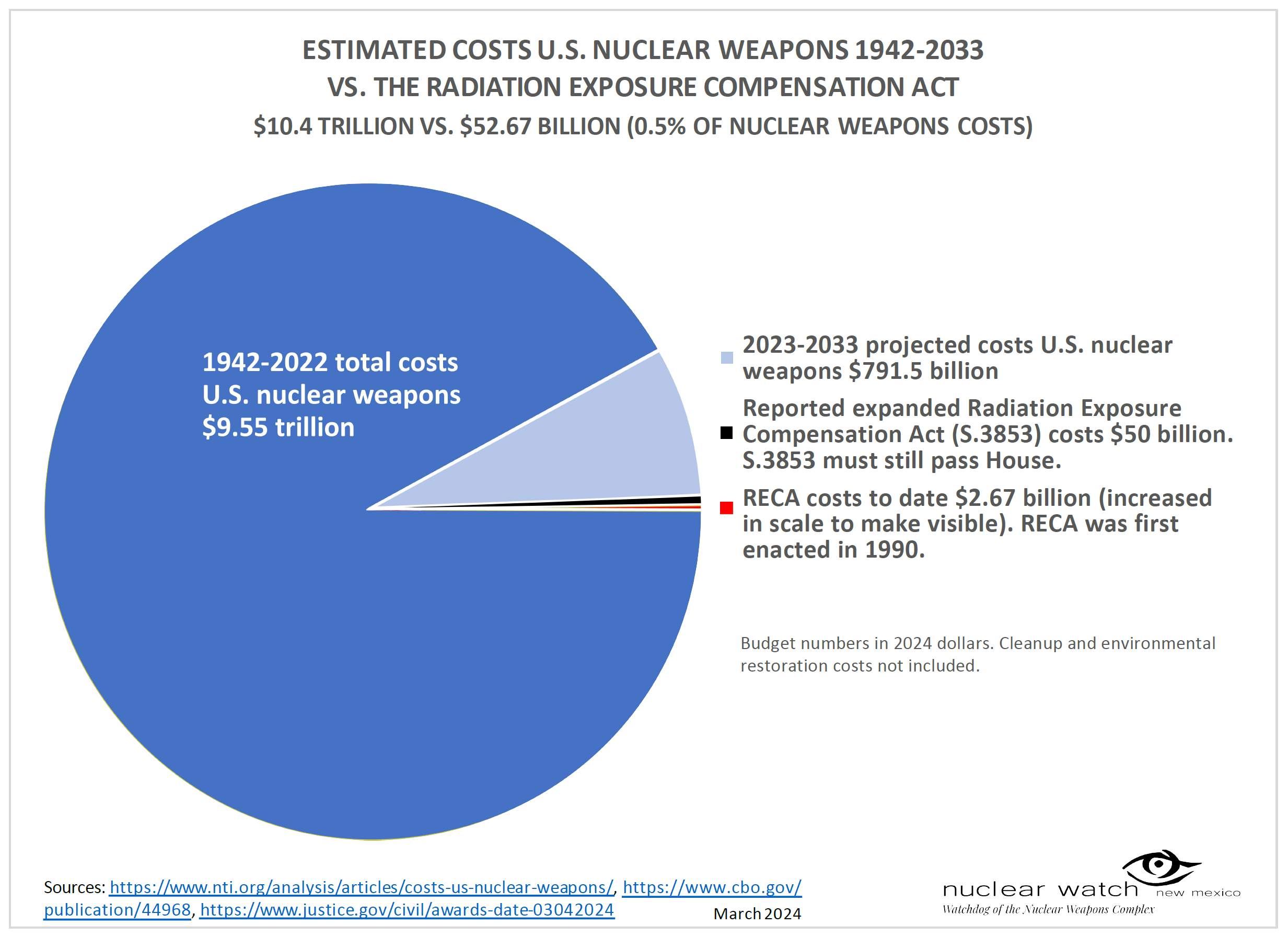
Cost of RECA Chart
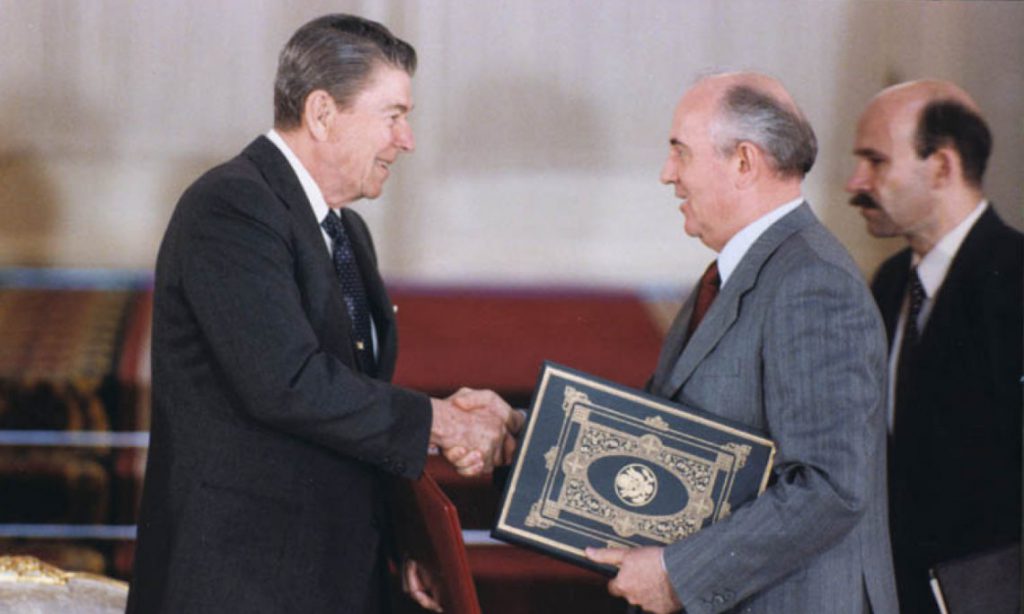
In 1985, US President Ronald Reagan and Russian President Mikhail Gorbachev declared that “a nuclear war cannot be won and must never be fought.”
NEW & UPDATED

A Guide to “Scoping” the New LANL SWEIS
“Scoping” means determining the issues that should be included in public analyses required by the National Environmental Policy Act (NEPA) of proposed major actions by the federal government. According to the Department of Energy ‘s own NEPA implementation regulations, DOE must prepare a new or supplemental site-wide environmental impact statement (SWEIS) for its major sites when there are “significant new circumstances or information relevant to environmental concerns.” The last site-wide EIS for the Los Alamos National Laboratory (LANL) was completed in 2008 and is badly outdated. Moreover, since 2018 the National Nuclear Security Administration (NNSA), DOE’s semi-autonomous nuclear weapons agency, has been aggressively expanding the production of plutonium “pit” bomb cores for nuclear weapons at the Lab.
On August 19, 2022, NNSA finally announced its intent to prepare a new LANL SWEIS, but apparently the agency will not address expanded plutonium pit production.1 NNSA’s dubious argument is that it performed the legally required NEPA analysis for expanded plutonium pit production in a 2008 Complex Transformation Programmatic Environmental Impact Statement, the 2008 LANL SWEIS and a woefully inadequate “Supplement Analysis” in 2020 that concluded a new SWEIS was not needed. 2 3
Issues That Must Be Addressed in a New LANL SWEIS
This is meant to be a guide to (or list of) the issues that must be addressed in a new draft LANL SWEIS. It is not completely exhaustive, nor is it a comprehensive fact sheet on the substance of the issues. Nuclear Watch New Mexico will offer suggested scoping comments for interested citizens and submit its own comprehensive formal comments before the October 3 deadline or extended deadline (see “Timing” below).
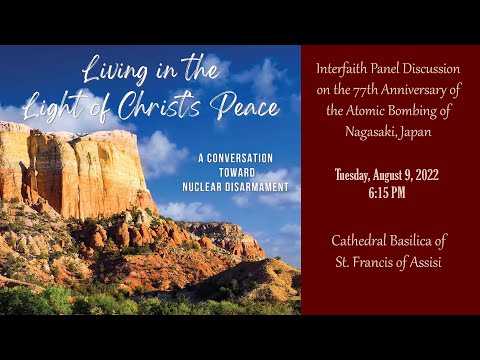
[Separate from Mass & Healing Ceremony] Watch Recording of Nagasaki Anniversary: Panel Discussion on Nuclear Disarmament from Local Interfaith Leaders
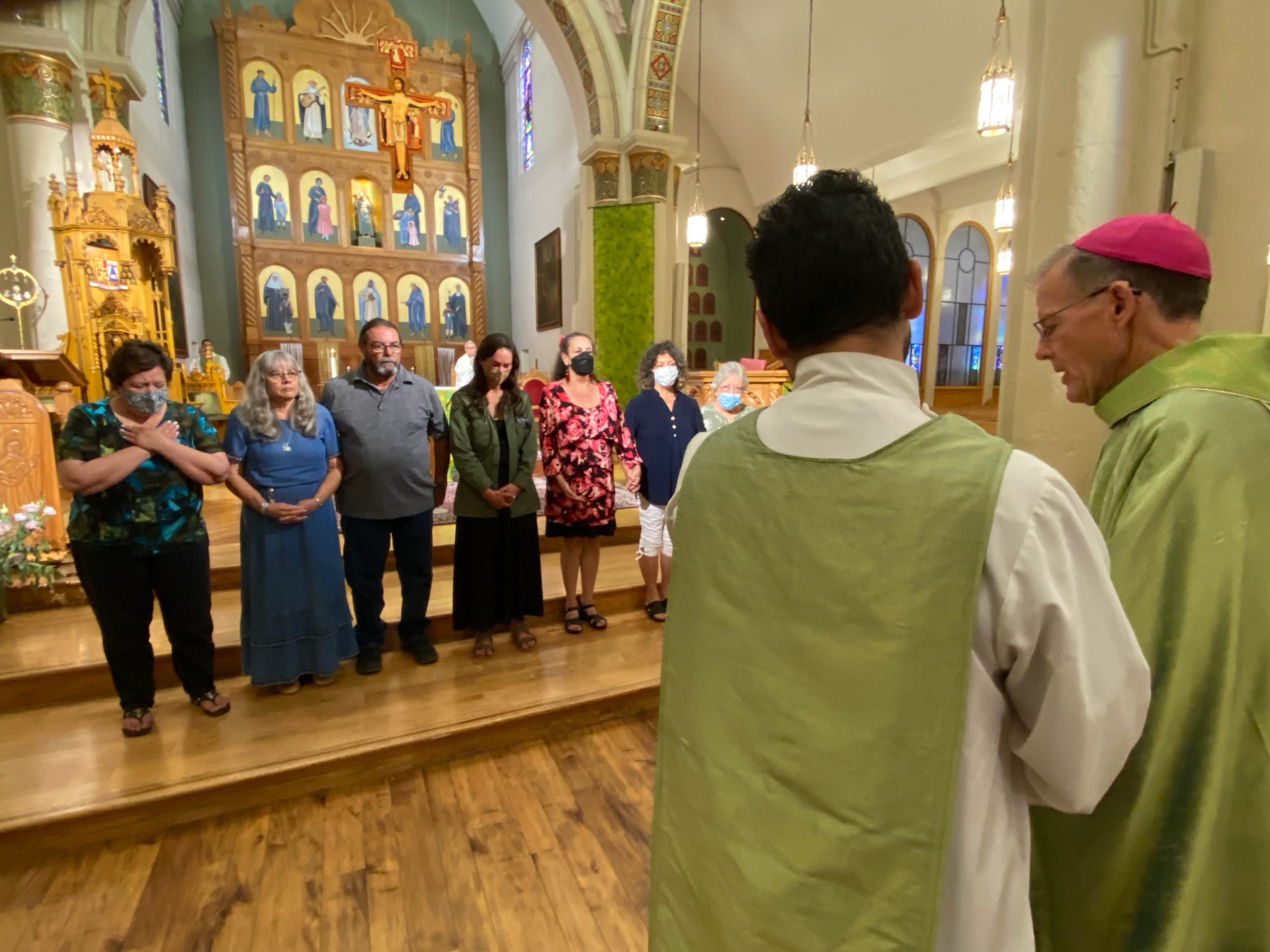
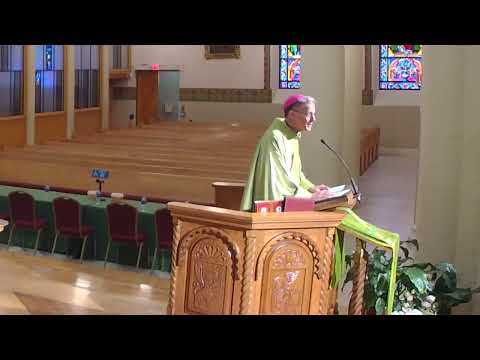
Santa Fe Archbishop John Wester’s Nagasaki Homily
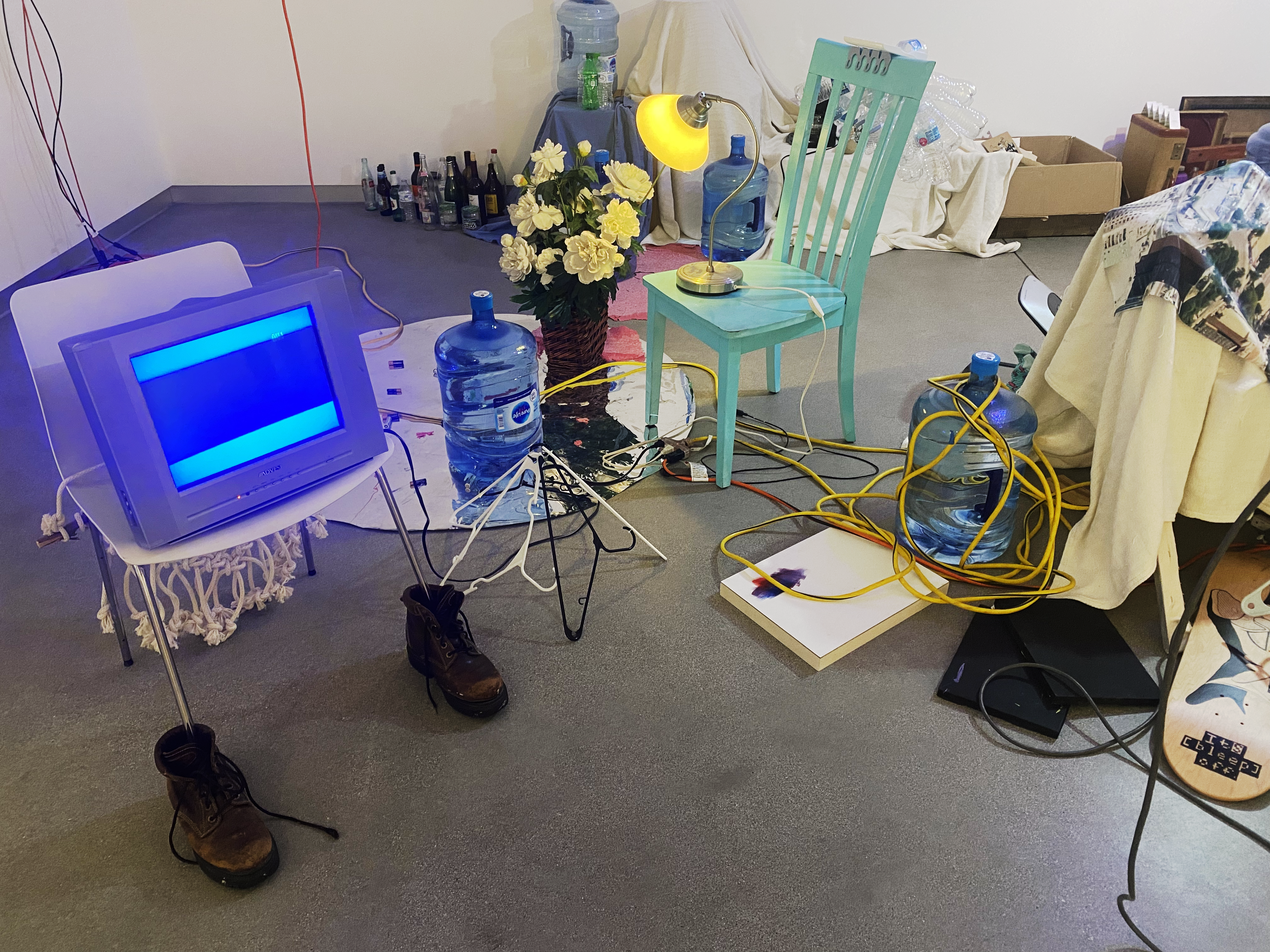
“Each Day Begins with the Sun Rising” – 77 Years Later, 4 Artists from Hiroshima Reflect
Today marks the 77 years since the United States dropped an atomic bomb on Nagasaki, Japan during World War II. Three days ago, August 6, marks the same anniversary for the bombing of the city of Hiroshima, Japan. In both cities the blast completely annihilated everything within a 1-mile radius from the center of explosion. The bombs not only decimated the current population, destroyed property, and scorched the land; the entirety of the ways of life of these communities was ripped away in a terrorizing flash.
"The atomic explosion almost completely destroyed Hiroshima's identity as a city. Over a fourth of the population was killed in one stroke and an additional fourth seriously injured, so that even if there had been no damage to structures and installations the normal city life would still have been completely shattered." - The Atomic Bombings of Hiroshima and Nagasaki (atomicarchive.com)
The total effects of the only two nuclear weapons ever detonated in warfare are not fully known, despite 77 years of people (scientists, military experts, civilians, Japan, etc.) trying to estimate the number of the dead and injured. "The most credible estimates cluster around a “low” of 110,000 mortalities and a “high” of 210,000, an enormous gap (the estimates for each city have a range of ±10,000)." - Bulletin of Atomic Scientists
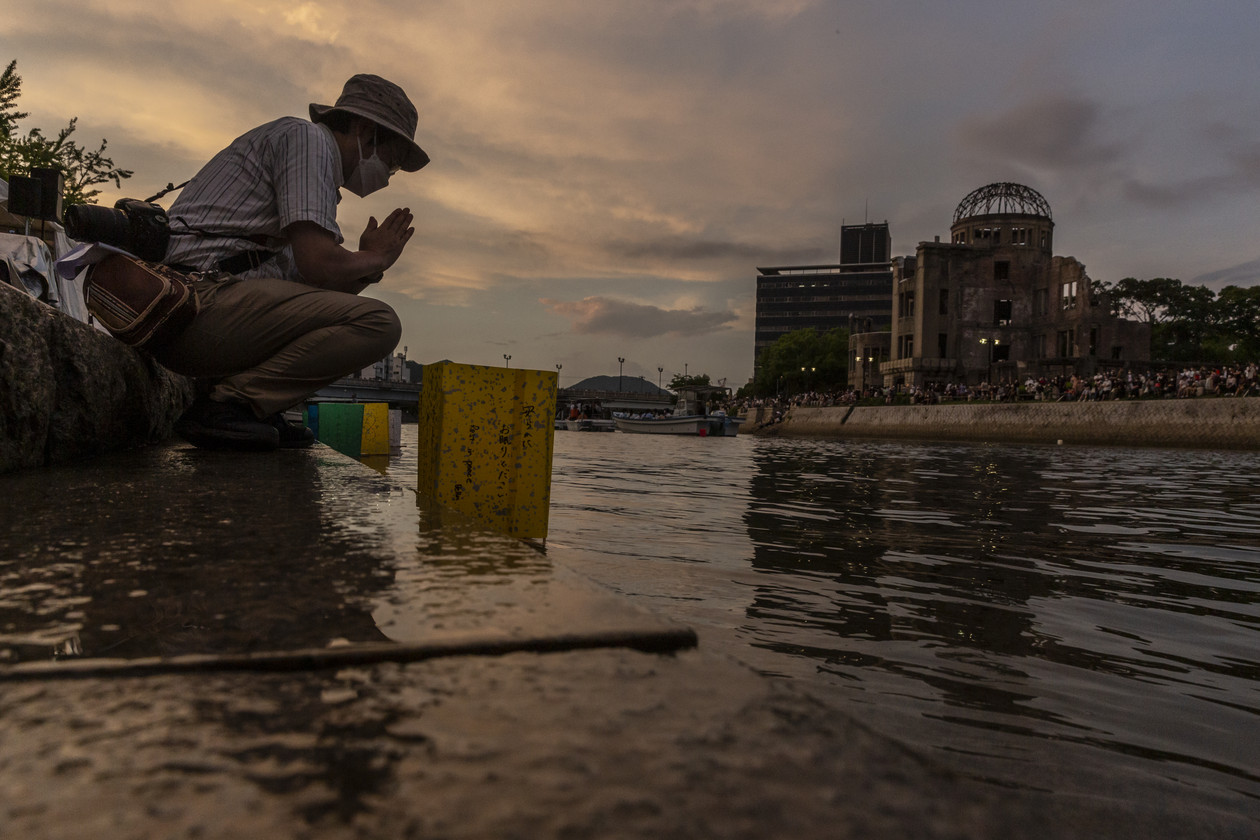
The events of August 6 and 9, 1945, forever changed the world. But today, besides continuing to attempt to know the extent of the cost of life of these bombings, how are we moving forward in reflection and in growth? How, as a global community, can we explore and prioritize processing the deep, deep pain of these events? The city of Nagasaki has been rebuilt since World War II and is today an important tourist site, serving as a significant spiritual center for movements to ban nuclear weapons. Aging survivors, known in Japan as hibakusha, continue to push for a nuclear ban and hope to convince younger generations to join the movement.
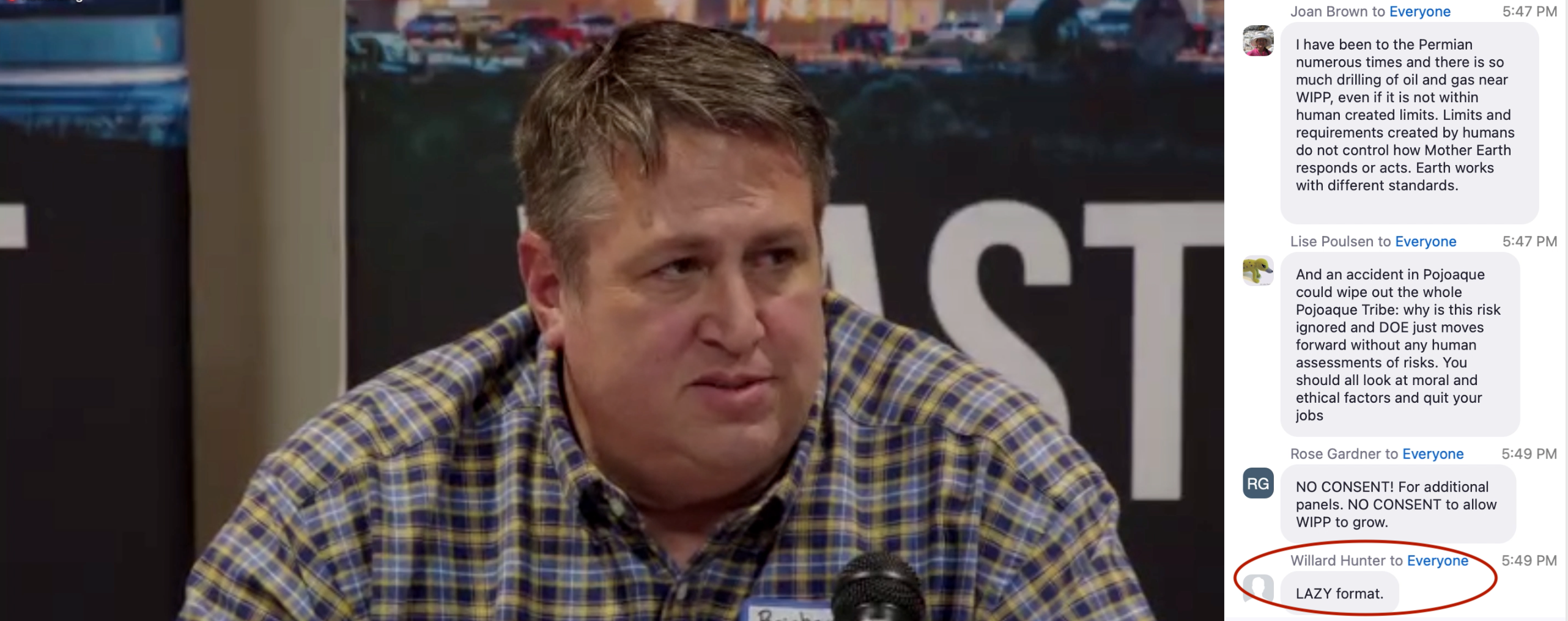
“LAZY format”: A Failed WIPP Community Engagement Meeting in Santa Fe
The U.S. Department of Energy and the Office of Environmental Management held a Presentation and “Community Forum” for Santa Fe on the Waste Isolation Pilot Plant (WIPP), formatted as a hybrid in-person and Zoom meeting on Thursday, July 7, 2022. Nuclear Watch New Mexico is extremely unsatisfied with the outcome of this meeting, and is not alone in criticizing both the substance of the meeting and the format.
We have recorded this public forum with the chat included because there was an overwhelming amount of participation within the chat, and we feel the chat is a valuable resource in and of itself, as well as a testament to the large amount of community concern present around the subject of WIPP. View that recording HERE (and below).
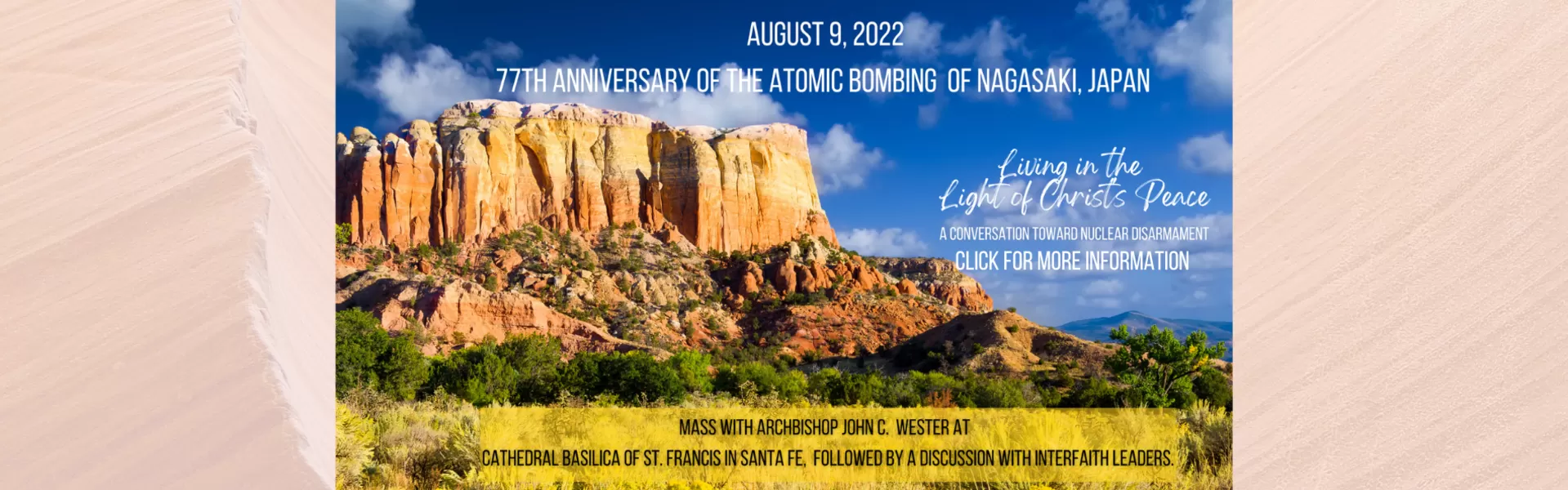
77th Anniversary of the Atomic Bombing of Nagasaki, Japan – Interfaith Discussion
SAVE THE DATE: 77th Anniversary of the Atomic Bombing of Nagasaki, Japan
Interfaith Discussion
Tuesday, August 9, 2022
5:15 p.m. Mass at the Cathedral Basilica of St. Francis of Assisi
Followed by Panel Discussion with Interfaith Leaders at 6:15 p.m.
ALBUQUERQUE – Friday, July 1, 2022 – Join Most Rev. John C. Wester, Archbishop of Santa Fe, for 5:15 p.m. Mass at the Cathedral Basilica of St. Francis of Assisi in Santa Fe, NM. His homily will be centered on his pastoral letter on nuclear disarmament, “Living in the Light of Christ’s Peace: A Conversation Toward Nuclear Disarmament,” released on January 11, 2022. Following Mass, at approximately 6:15 p.m., a panel discussion with prominent interfaith leaders on today’s need for nuclear disarmament will be held with a question and answer session. All are welcomed to either event.
In his pastoral letter, Archbishop Wester reflects upon his trip to Hiroshima and Nagasaki, the history of Catholic social teaching on nuclear weapons, the history of the development and production of nuclear weapons in New Mexico, and Jesus’ example of nonviolence. He encourages all to read the pastoral letter and use the reflection questions and suggestions for action.
Archbishop’s pastoral letter can be found here.
For more information, contact the Office of Social Justice & Respect Life (505) 831-8205.

Why Funding for the SLCM Nuclear Warhead Should Be Deleted
Introduction: In 1991, in response to the ongoing collapse of the Soviet Union, President George H. Bush ordered the withdrawal of all nuclear-armed sea-launched cruise missiles (SLCMs) from U.S. surface ships and submarines. In 2018 President Trump’s Nuclear Posture Review proposed to redeploy SLCMs on Virginia-class attack submarines, saying they would provide the United States with “a needed non-strategic regional presence” that would address “the increasing need for flexible and low-yield options.”1 Congress subsequently approved $15.2 million in FY 2022 funding for the Navy’s new cruise missile and nuclear warhead.
In March 2022 President Biden transmitted a new classified Nuclear Posture Review to Congress that reportedly canceled the Sea-Launched Cruise Missile. In parallel, his proposed FY 2023 budget for the National Nuclear Security Administration (NNSA) has no funding for the SLCM nuclear warhead. This has prompted some congressional pushback, with one suggested compromise being continuing modest research funding. But as a Congressional Research Service analysis put it: “The Navy indicated that the program was “cost prohibitive and the acquisition schedule would have delivered capability late to need.”
The Twisted Myth that Nuclear Weapons Make Us Safer
“Mutually Assured Destruction” has been the MO of the world’s nuclear powers for decades. If Russia points a giant nuclear warhead toward the U.S., we would gear up to point an even more massive missile their way, and then, in theory, Russia shrugs its shoulders and says, “Eh, not worth it.” They would be completely “deterred” from advancing a nuclear attack based on the reality that doing this would mean the entire country, continent, and, ultimately the entire world, would become obliterated as we know it; the cost and the risk greatly outweigh any benefit. Supposedly. According to this thesis, the existence of nuclear weapons makes the cost of war seem frighteningly high and thus “discourage[s] states from starting any wars that might lead to the use of such weapons” (Kenneth Waltz, “The Spread of Nuclear Weapons: More May Better,”) The idea that nuclear weapons make conventional war safer is widely used as framing for why we need nukes at all, with one specific reason being spread wide and far that nuclear weapons can still be the equalizer against an adversary’s superior conventional forces.
The Alliance for Nuclear Accountability DC Days 2022: NukeWatch (Virtually) Visits Washington DC
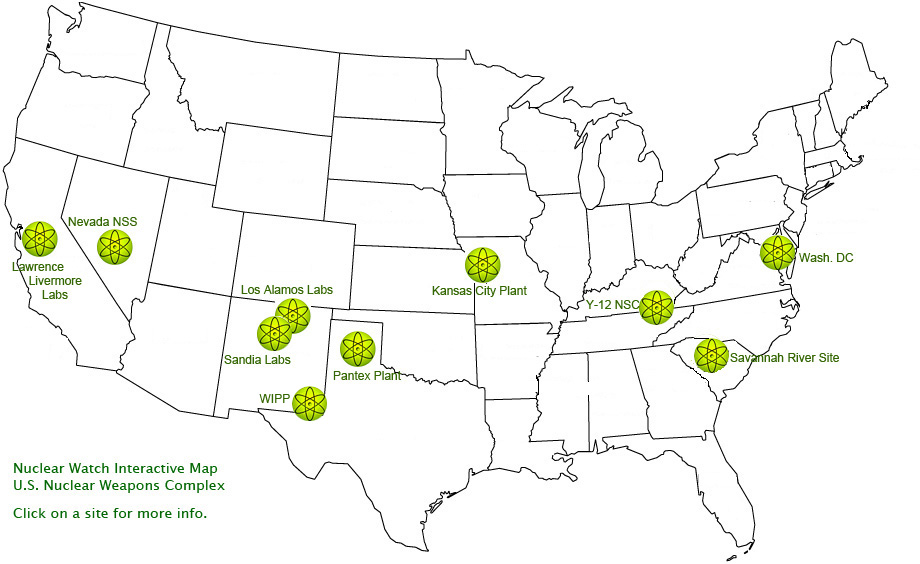
The Alliance for Nuclear Accountability held its annual DC Days conference virtually again this year beginning May 16, 2022. Nuclear Watch New Mexico was proud to participate in this week-long event, where we discussed issues related to nuclear waste and nuclear weapons modernization under the Biden Administration, especially regarding expanded plutonium pit production at Los Alamos National Lab and at the Savannah River Site, and the generational problem of nuclear waste storage in the United States.
Continue reading

New Nuclear Media: Art, Films, Books & More
Newly Released Documentary Film on Santa Susana Field Lab Airing Nationwide Nov. 14 at 10 pm ET
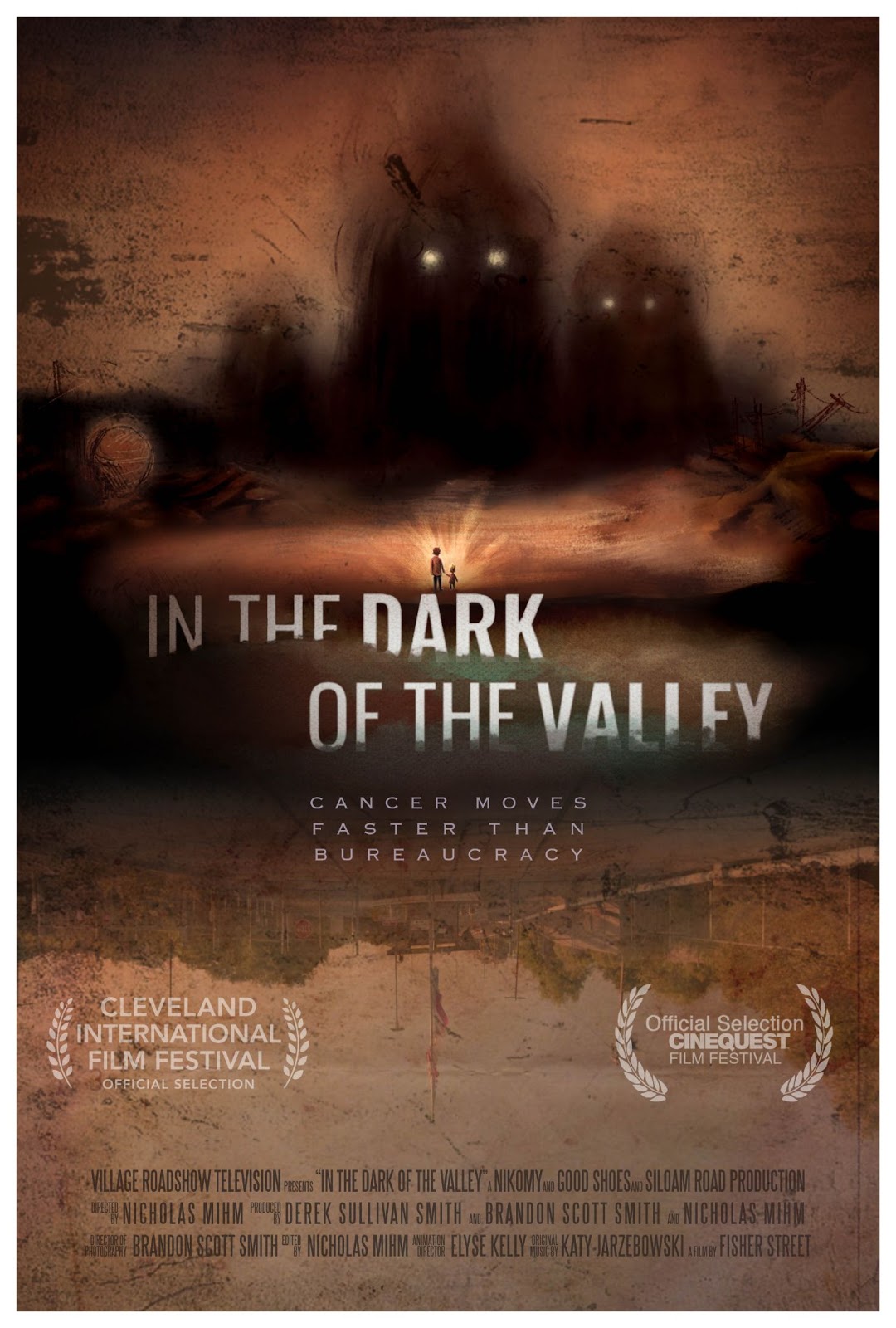
In the Dark of the Valley is the first feature film to focus on the Santa Susana Field Laboratory, a former nuclear and rocket-engine testing site near Los Angeles. The film is an in-depth exploration into the site’s long history of cover-ups and negligence by site owners Boeing, NASA, and the Department of Energy. It also tells the harrowing story of how a community of mothers, led by Melissa Bumstead, have dealt with the struggles of childhood cancer and their new found life of environmental advocacy.
Explosively Entertaining: Nuclear Weapons on TV
Books, Films & Art of Note | Beyond the Bomb: Maria Diaz-Islas, March
1. Jericho (2006-2008)
This show’s passionate fanbase fought tooth and nail to keep it running before CBS canceled it after only two seasons (sounds a lot like some nuclear weapons manufacturers I’ve heard of…). It follows the story of the fictional Kansas town, Jericho, after a nuclear attack on nearby Denver turns the characters’ worlds upside down. The citizens of Jericho struggle as they avoid nuclear fallout, determine how to communicate with the outside world, and try to restore life back to the way it was before the explosion. The post-apocalyptic plot is also riddled with drama, as the characters’ near-death experiences and the loss of loved ones force them to question whether they were truly happy with their former ways of life, reminiscent of living through the COVID-19 pandemic today.
Continue reading