

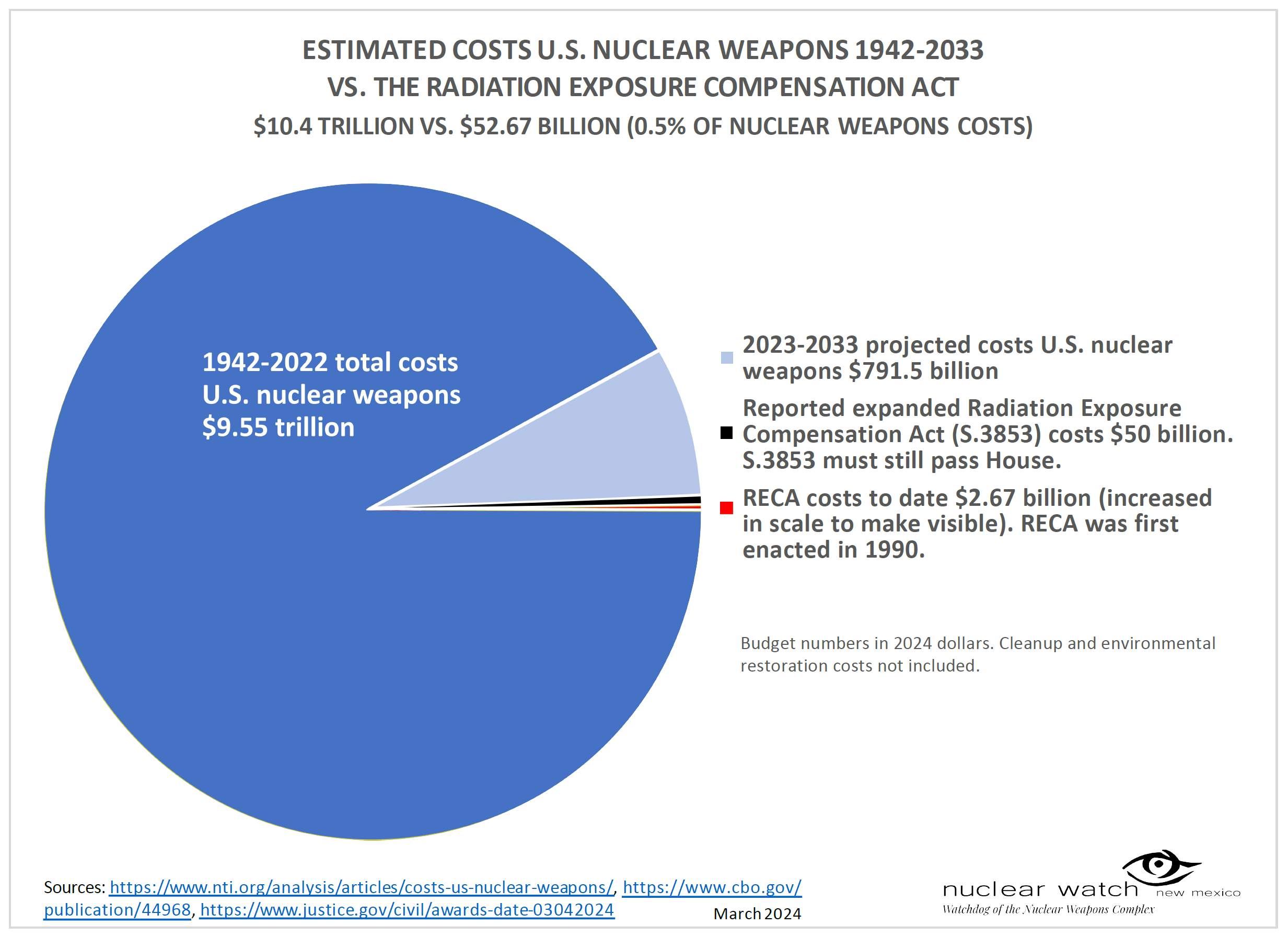
Cost of RECA Chart
In 1985, US President Ronald Reagan and Russian President Mikhail Gorbachev declared that “a nuclear war cannot be won and must never be fought.”

NEW & UPDATED
Lawmakers aim to force University of Michigan to follow local zoning rules
The planned computer data center campus is a joint project between the University of Michigan and the U.S. Department of Energy’s Los Alamos National Laboratory on the north side of Textile Road across from the Ford Rawsonville Plant in Ypsilanti Township.
ANN ARBOR, MI – Three Michigan lawmakers introduced legislation that would curb the University of Michigan’s authority to buy land and expand its footprint across the state.
State Reps. Jimmie Wilson Jr., D-Ypsilanti, Jason Morgan, D-Ann Arbor, and Morgan Foreman, D-Ann Arbor, drafted two bills to go in front of the Michigan Legislature.
The new legislation would require any property UM acquires after Jan. 1, 2027 to remain subject to local zoning rules.
Testing the waters: Feds stop paying to sample LANL runoff
Buckman Direct Diversion picks up the cost for testing the Rio Grande
The federal government has also deferred its remediation of a dump site called Material Disposal Area C, citing its proximity to “active facility operations.” The dump resides across the street from the plutonium handling facility, where work is taking place round the clock.
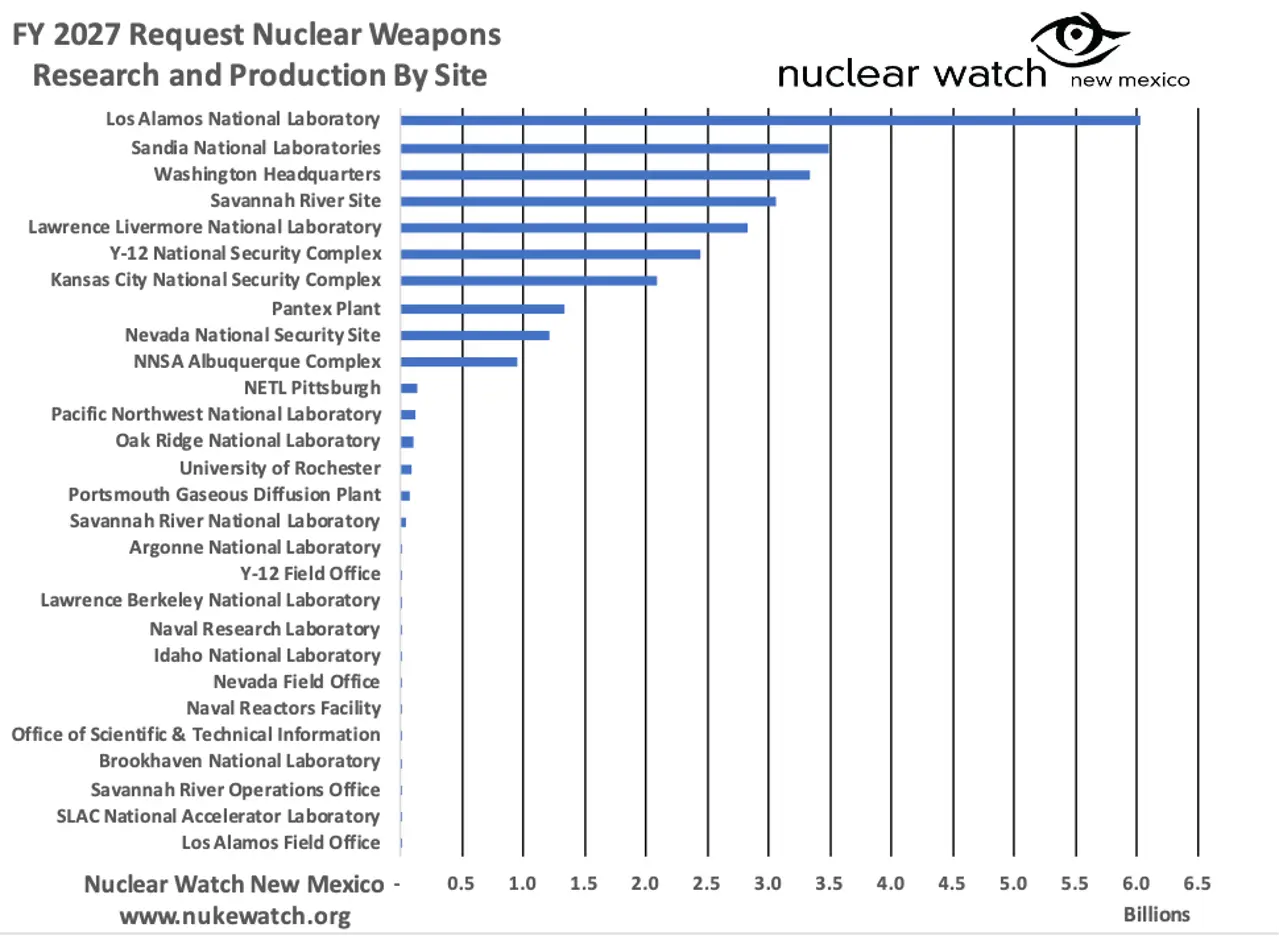
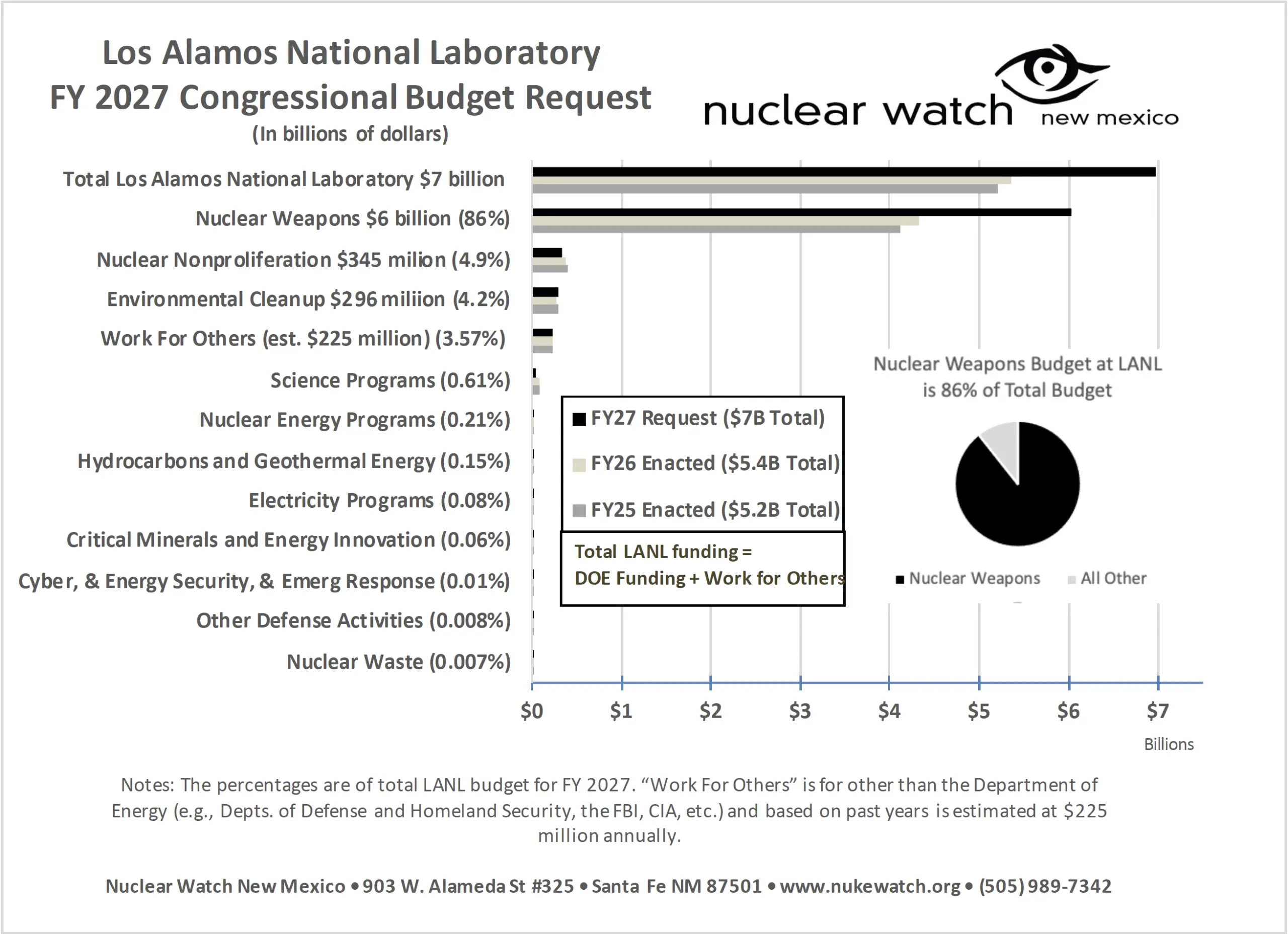
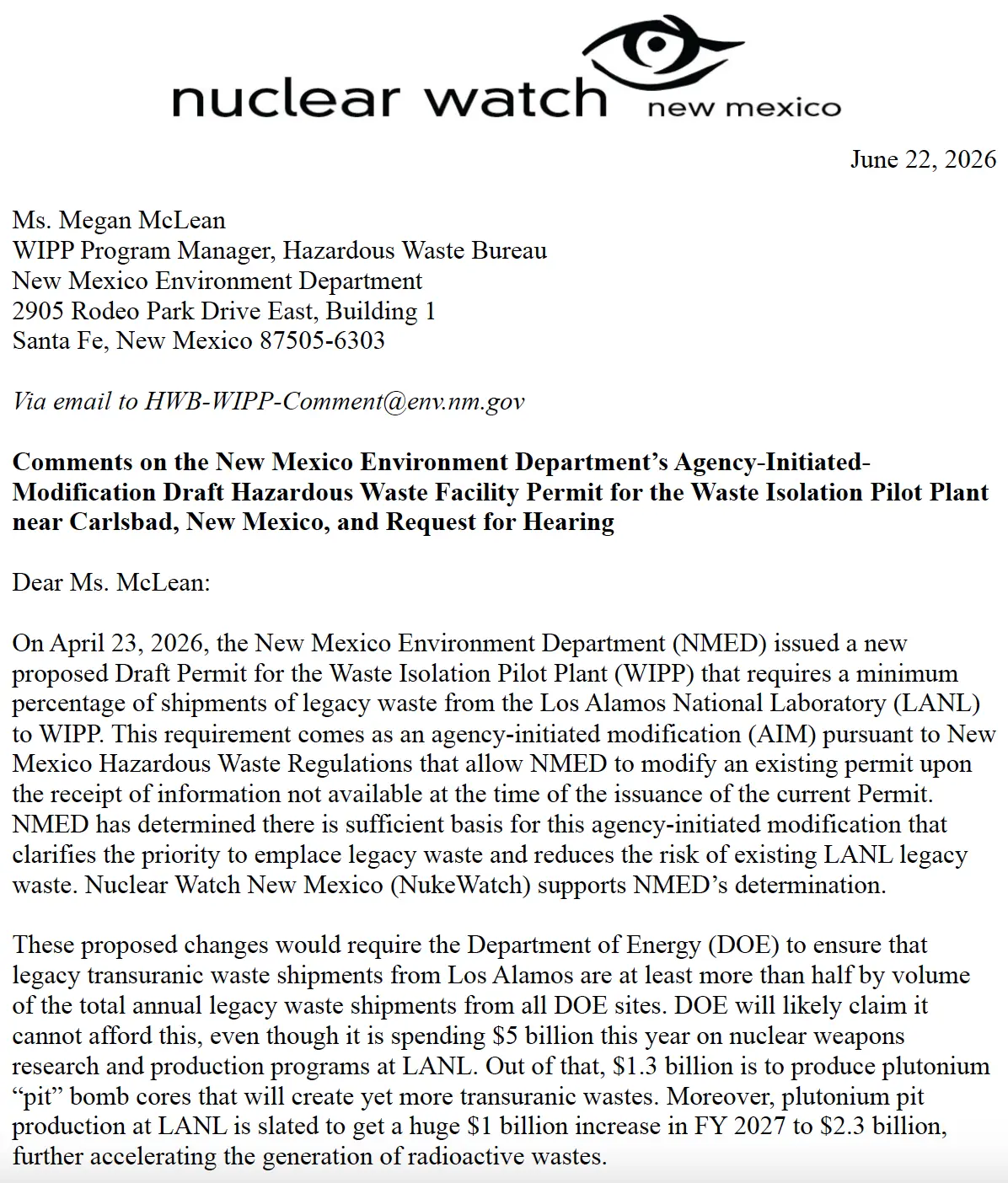
That facility — officially known as PF-4 — is the linchpin in the nation’s modernization of its nuclear arsenal, which is estimated to cost about $1.7 trillion over the next three decades, or about two Manhattan Projects per year. Los Alamos’ budget for 2026 is expected to be around $5.2 billion, much of it for weapons production. Its clean-up budget, meanwhile, is around $281 million.
“There’s no reason in hell we should’ve lost that $96,000,” said Anna Hansen, a former county commissioner and Buckman board chair. “It’s a drop in the bucket.”
With every spring snowmelt or heavy summer monsoon comes the chance that radioactive particles and toxic chemicals could run down the lobed canyons that are etched into the sides of the Pajarito Plateau and outside the boundaries of Los Alamos National Laboratory.
Evidence of Cold War experiments have been detected at high levels in these stormwaters, including traces of high explosives, metals and other radioactive particles, which dispersed across multiple watersheds when scientists tested weapons components in the open air decades ago or were buried in unlined waste pits.
Daniel Ellsberg vs. “Ordinary Insanity”
A new documentary issues an urgent warning about our dangerous nuclear delusions.
Norman Solomon| June 9, 2026 thenation.com
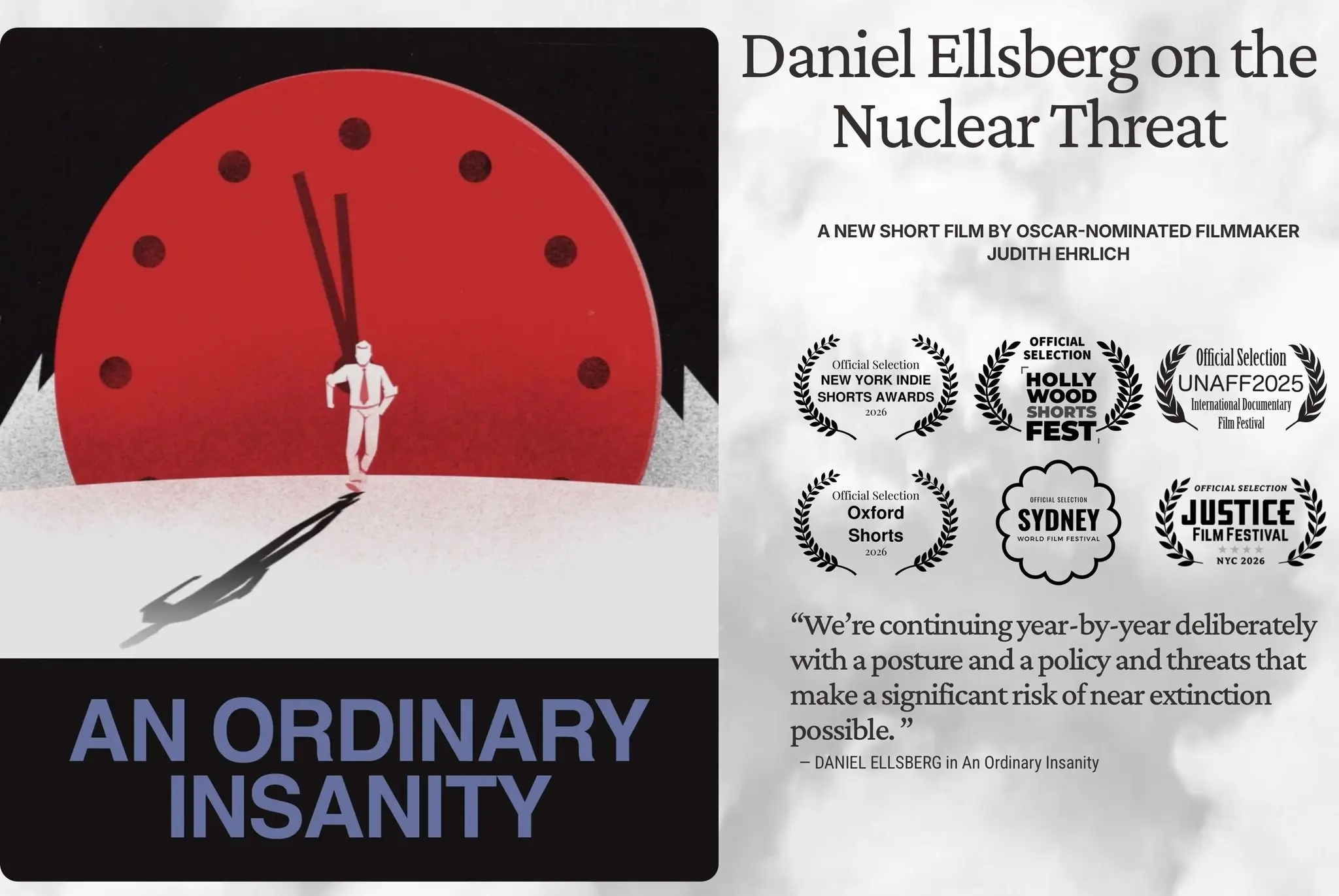
A few days before Thanksgiving in 2021, Daniel Ellsberg looked directly into a camera lens and talked about nuclear preparations for annihilating almost everyone on Earth. “That is insane,” he said. “And you have to call it a kind of ordinary insanity, because it’s so widely shared.”
The new film An Ordinary Insanity condenses Ellsberg’s essential message into a half hour. It follows the acclaimed 2009 documentary The Most Dangerous Man in America: Daniel Ellsberg and the Pentagon Papers. Judith Ehrlich—who codirected that Oscar-nominated movie and is the director of An Ordinary Insanity—says that “as his understanding of nuclear war evolved, Dan confronted it for us and dug deep into its roots.”
When Ellsberg gave the 7,000 pages of the top-secret Pentagon Papers to The New York Times in 1971, he was risking the rest of his life in prison for exposing the official deceptions behind the Vietnam War. That brave act, causing him to be vilified and beloved, began his five decades of tireless antiwar efforts. Through it all, his main preoccupation continued to be reducing the risk of nuclear war.
Early in his professional life, Ellsberg had become a “national security” insider, with expertise in the command and control of nuclear weapons along with strategic planning. Access to official calculations made him aware of scenarios for initiating Armageddon. Some classified plans for starting a nuclear war, with a first strike on the Soviet Union and China, were beyond shocking.
“The Joint Chiefs of Staff estimated in 1961 that the effects of our carrying out those plans, the annual operational plan for which the weapons existed and were on alert, they estimated it would kill 600 million people. A hundred Holocausts,” Ellsberg says in An Ordinary Insanity. “When I saw that estimate in the White House, I thought that was the most evil planning that had ever existed in the history of humanity.”
As scientific research advanced and climate modeling discovered nuclear winter, estimates like 600 million became outdated.
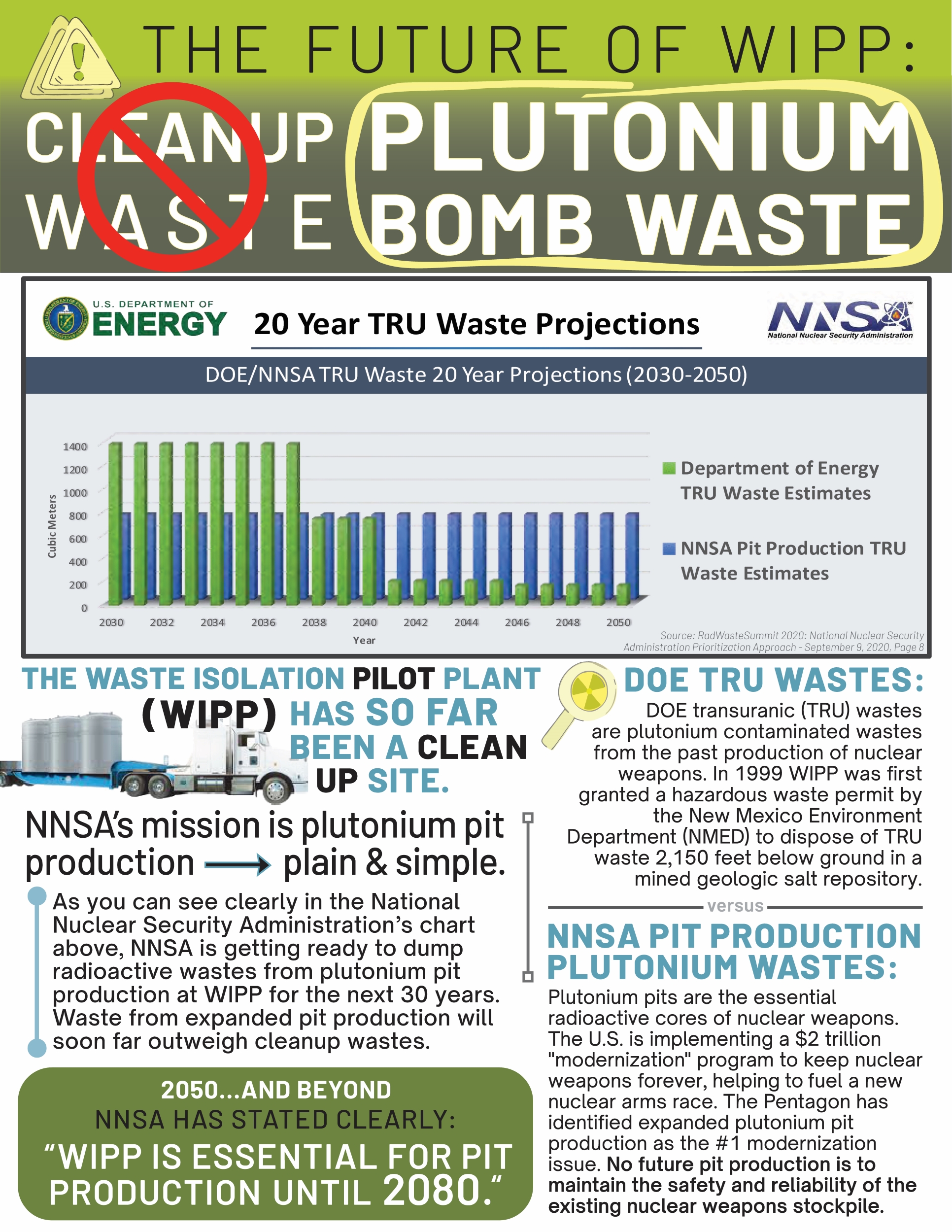
Plutonium Pit Production Draft PEIS Congressional Briefing: Choices Before Congress on Plutonium Pit Production for New Nuclear Warheads

Plutonium Pit Production Draft PEIS – Recording of Public Hearing in Santa Fe, NM, Thurs May 14, 2026

Plan to increase nuclear pit production at Los Alamos lab gets heavy pushback at Santa Fe forum
“The environmental impact statement was produced as a result of a January 2025 settlement between the National Nuclear Security Administration and various groups, including Nuclear Watch New Mexico. The lawsuit claimed the federal government failed to appropriately consider the impacts of production of plutonium pits at LANL and the Savannah River Site, under national environmental law.”
| May 14, 2026 santafenewmexican.com
A draft environmental impact statement on the production of the trigger devices for nuclear weapons faced overwhelming public pushback Thursday evening at a Santa Fe hearing.
The roughly 130 people who attended the meeting at the Santa Fe Farmers Market Institute in person and 100 more who joined online were almost all against plutonium pit production in their backyard — and many criticized the nuclear industry.
Sean Arent, a member of Washington Physicians for Social Responsibility, brought up that state’s long cleanup process at the Hanford Site, a defunct and decommissioned plutonium production site.
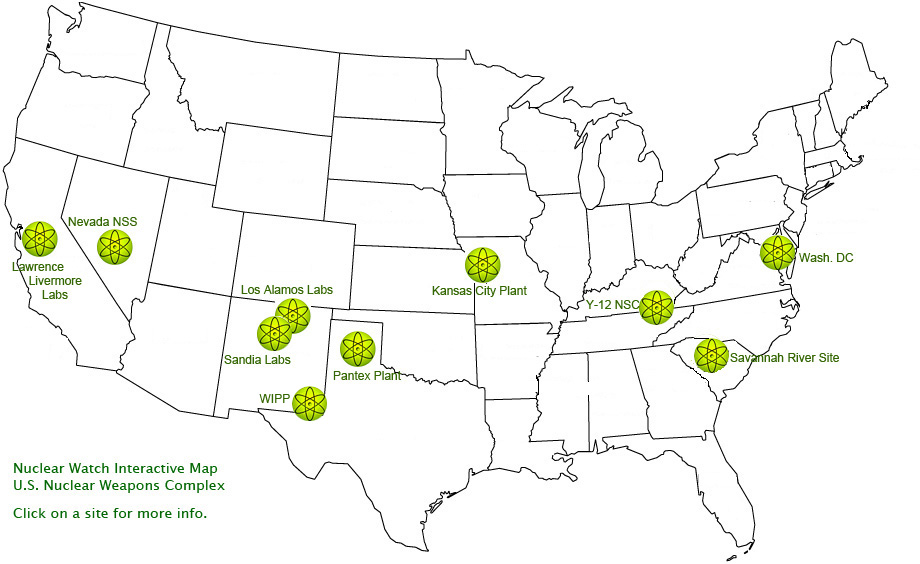
The hearing was one of five scheduled around the country this month and follows meetings in South Carolina, Missouri and California. The final hearing is planned for May 20 in Washington, D.C., and does not have a virtual option.
Nuclear Weapons Issues & The Accelerating Arms Race: May 2026
Nuclear Weapons:
https://www.twz.com/nuclear/new-nuclear-bunker-buster-bomb-plans-revealed
New Nuclear Bunker Buster Bomb Plans Revealed The Department of Energy is seeking millions of dollars for work in part on a new bunker-busting nuclear weapon called the Nuclear Deterrent System-Air-delivered (NDS-A) in its latest budget request… Beyond that it will be air-delivered, there are also no details currently available publicly about the weapon’s design, including whether it will be based on something already in the stockpile.
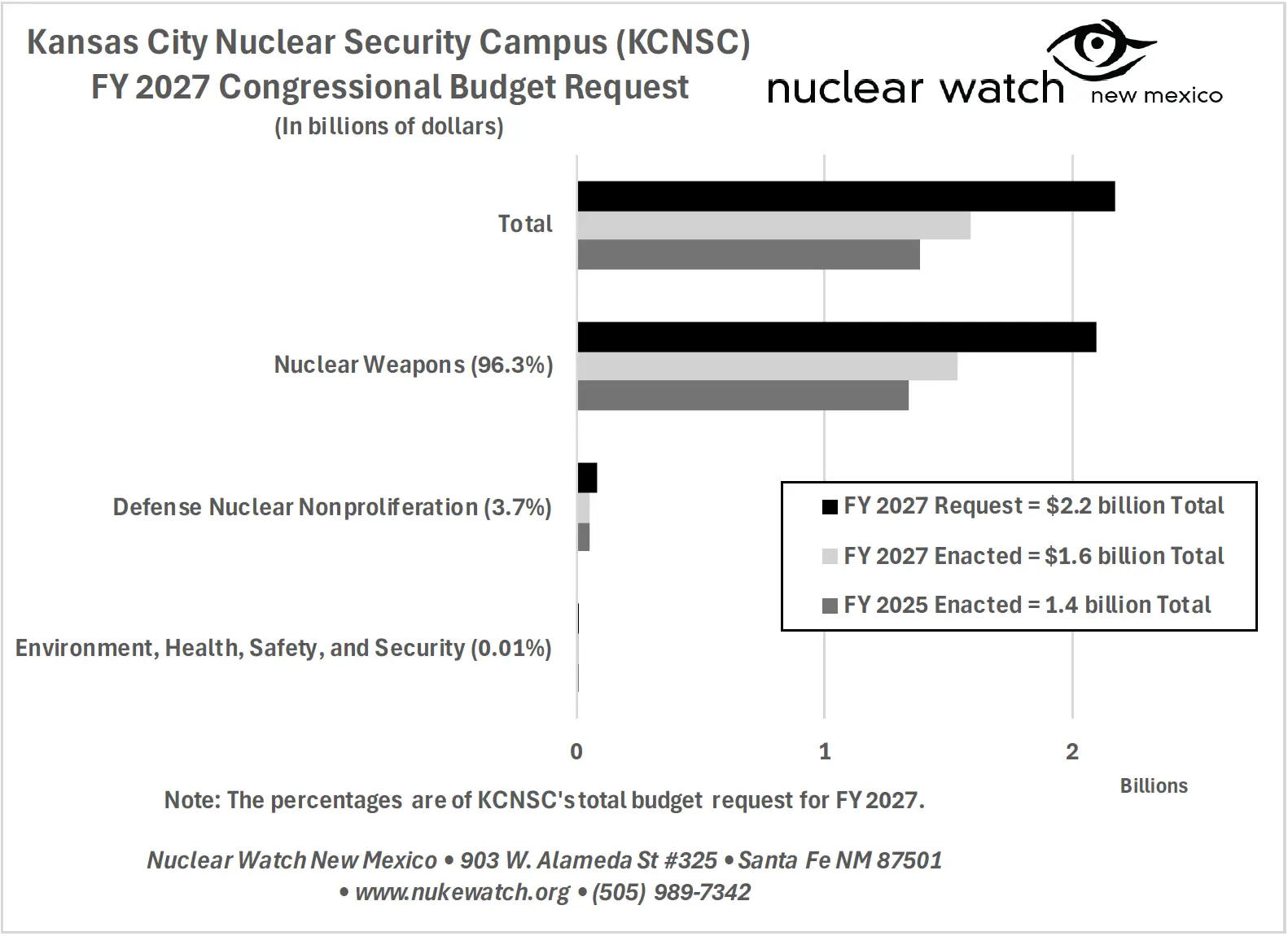
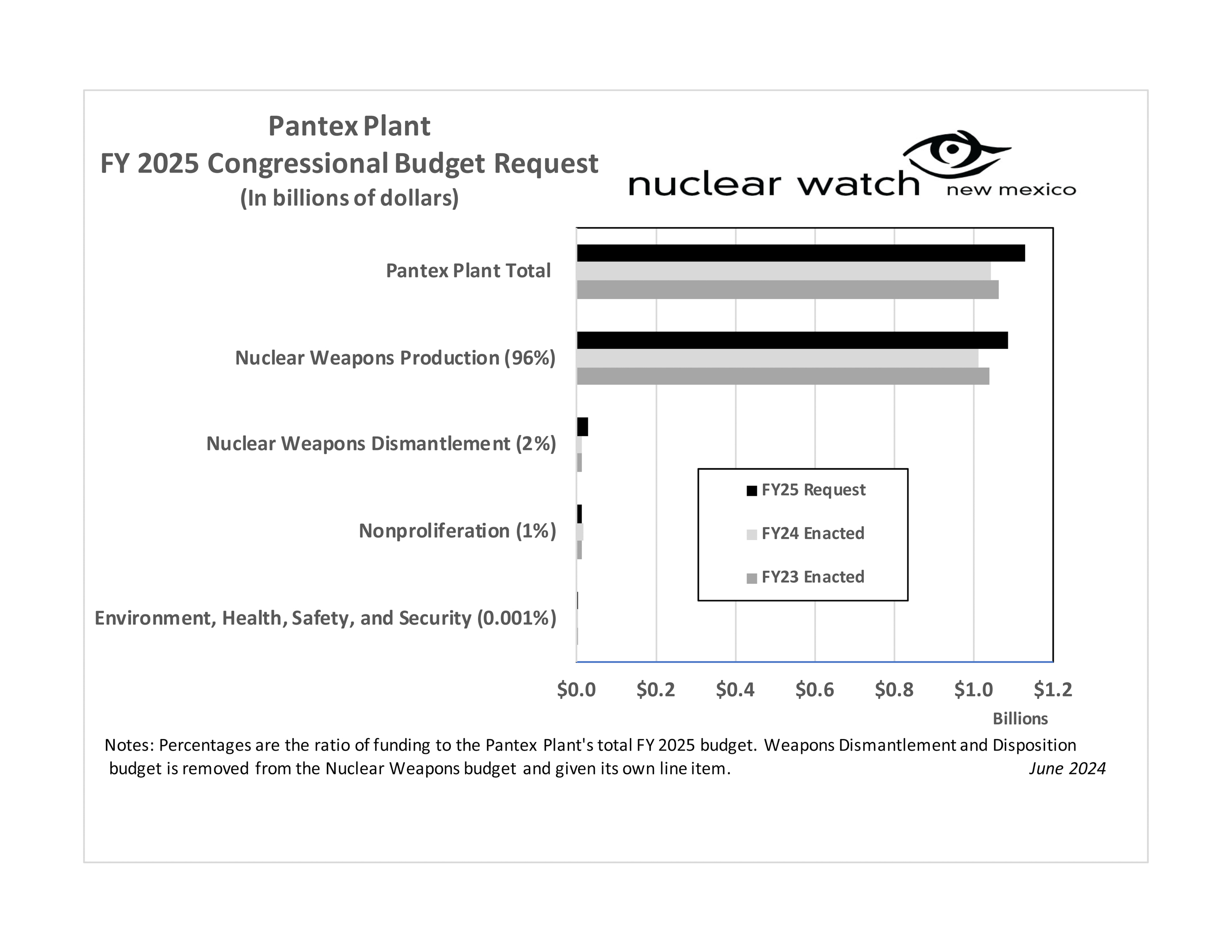
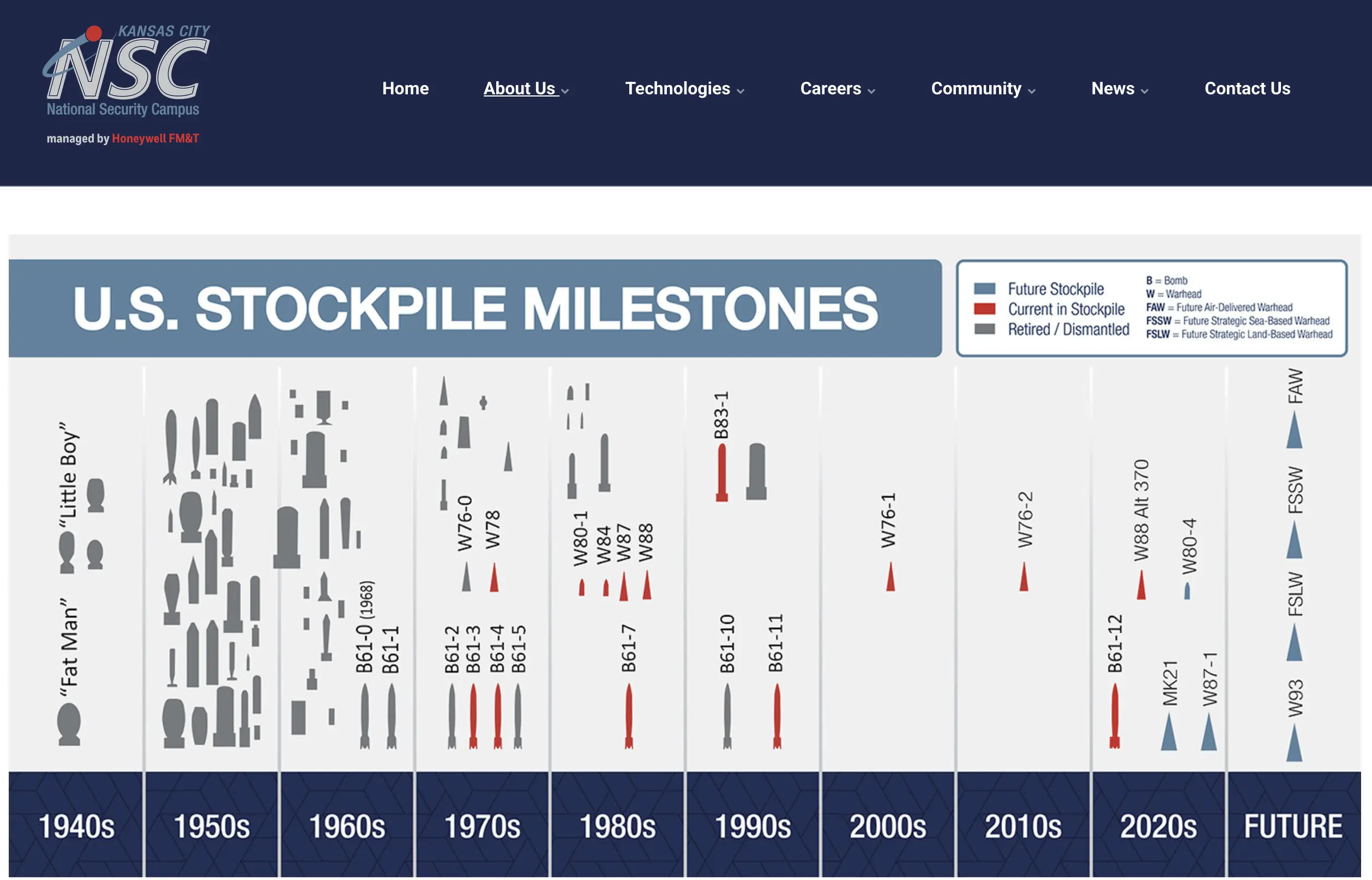
See the graph below found on the Kansas City National Security Complex website. There are three future new-design nuclear weapons on the right above the W93 (“F” is all 3 cases means “Future”). These new-design nuclear weapons presumably will have new-design pits like the W93.
The Plutonium Circus Comes to Town
AC: How did the idea of doing a documentary about Pantex come
up?
GR: Just growing up around it, I’d always wanted to do something about Pantex, really. It’s a very eerie feeling to grow up with that sort of thing there. Of course, I didn’t consider it eerie growing up, I considered it sort of… comforting. It was sort of an easy way out, if and when the world ended. I grew up always thinking the world was about to end, and I think that’s a pretty common belief for everyone in Amarillo. And that’s a very good excuse, a
very powerful reasoning to not keep up with what’s going on out at Pantex anyway. I think most of the United States, and Amarillo, as far as the religious thinking, feels that the world is going to be over any time anyway,
so why worry? They’ve watched Nostradamus a few too many times, I think.
| October 20, 1995 austinchronicle.com
George Whittenburg Ratliff is not the kind of guy you would peg for one of the most talented filmmakers around these days. Tall and lanky, with an unruly shock of dirty-blond hair and large piercing blue eyes that seem to take in everything and everyone at once without alarming you, he’s soft-spoken and speaks almost shyly of the documentary film he’s made – The Plutonium Circus.
Set in the Texas Panhandle town of Amarillo, The Plutonium Circus focuses on the gargantuan Department of Energy Pantex plant, which looms over the sprawling North Texas Plains like some evil, radioactive monarch. Since the 1950s, Pantex has been the final assembly point for every nuclear weapon made in America. This is the place where the gadgets, gizmos, priming devices, and
plutonium cores arrived, by unmarked train, to be finessed into the country’s arsenal of democracy. Sort of like a General Motors plant headed not by Lee Iacocca, but by the military industrial devil himself.
Amarillo, a hometown I share in common with Ratliff, has always been behind the plant 110 percent. The Pantex plant (or death factory, according to a few observers) is now engaged in the business of dismantling our nuclear stockpile and storing the deadly plutonium on-site, despite the fact that the plant rests directly above the precious Ogallala Aquifer, which is the largest fresh water
aquifer in North America and the primary source of drinking water for the people of Amarillo and surrounding towns such as White Deer and Claude (site of the film Hud), as well as eight neighboring states, and the land and animals that supply 70 percent of the wheat, corn, and beef grown in the United States. The people of Amarillo have wholeheartedly embraced the plant with open
arms because employment and the local economy are the issues here (the plant is said to be responsible for a total of 11,000 jobs, a figure that includes all the local businesses that service the plant), not lymphoma statistics and the perpetual possibility of disaster. It’s a mindset that’s hard to swallow, but then, so are most Panhandle politics.
Literally a world unto itself, Amarillo exists on the periphery of anarchy…
COMMENT TRAINING for the Plutonium Pit Production Draft PEIS – Recording of Kansas City-Focused Training May 6, 2026
Learn more about the government’s plan to mass produce new plutonium pits for nuclear weapons, Kansas City’s role in this program, and how to give a well-informed and impactful testimony at the public comment hearing in Kansas City on May 7 or submit written comments until July 16.
Presented by PeaceWorks KC, Physicians for Social Responsibility KC, Veterans for Peace KC and special guests from Nuclear Watch New Mexico and the Union of Concerned Scientists.
See more info at https://PitPEIS.com
https://peaceworkskc.org/plutonium/

Plutonium Pit Production Draft PEIS – Recording of Public Hearing North Augusta, South Carolina, Tues May 5, 2026



New Nuclear Media: Art, Films, Books & More
Time Zero: 05: The Lab (Part 01)
https://964f6bfd-c857-4667-8d59-615efbd0d7c4.libsyn.com/05-the-lab-part-01
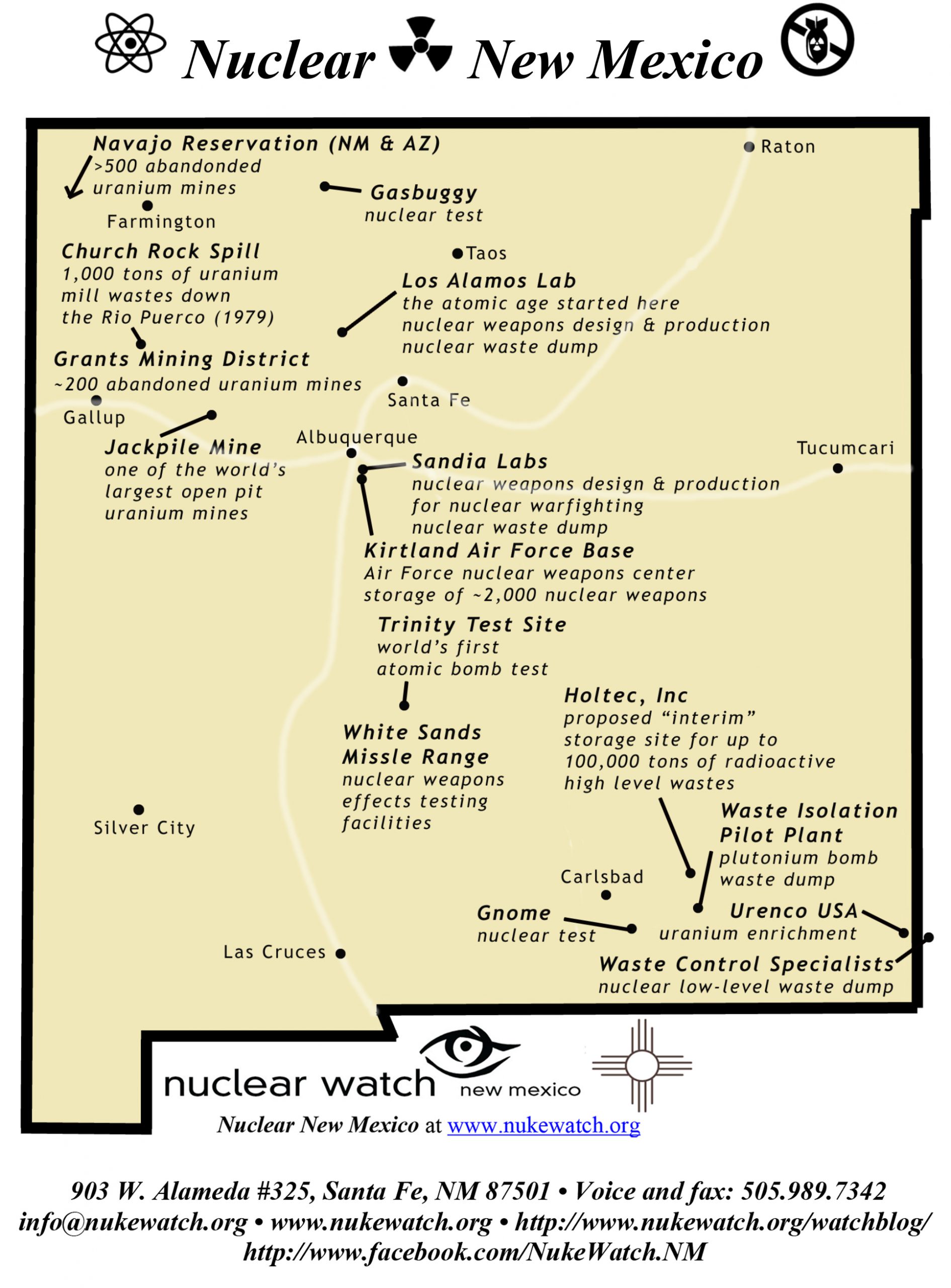
“When the Manhattan Project arrived on the Pajarito Plateau in northern New Mexico, the land was not uninhabited. To establish the highly secretive Site Y, the United States military forcibly removed generations of Nuevomexicano ranchers and blocked regional Indigenous groups from accessing sacred sites. Almost immediately, the lab began detonating massive amounts of explosives, scarring the landscape. Military personnel regularly dumped nuclear waste into local canyon systems that ultimately flowed into the Rio Grande. When World War II came to a close, though, the lab did not.
More than eight decades later, an apocalyptic weapons factory—Los Alamos National Laboratory—still looms over the Pueblos and villages north of Santa Fe. Ninety miles south, Sandia National Laboratory and Kirtland Air Force Base store thousands of nuclear warheads beneath the city of Albuquerque. Both laboratories are expanding in scope and scale.
TELEVISION EVENT Trailer

Television Event is a documentary that follows the dramatic (and sometimes humorous) making and impact of the film The Day After. The 1983 film played a pivotal role in shifting public consciousness around nuclear weapons and, ultimately, President Reagan’s policies. It’s a reminder on the power of art and storytelling to create meaningful change.
The documentary was also reviewed in The New York Times: https://www.nytimes.com/2025/05/30/movies/the-day-after-documentary-television-event.html
More:
In 2023 a book was publishedd about the making of “The Day After”, read the review in Arms Control Today: https://www.armscontrol.org/act/2024-03/book-reviews/apocalypse-television-how-day-after-helped-end-cold-war
As well as: “‘The Day After’: The Arms Control Association’s Forgotten Role.” <https://www.armscontrol.org/act/2019-03/features/day-after-arms-control-associations-forgotten-role> It is a reminder that a few people can, with some luck and good timing, put big things into motion.